by Susan Dean | Feb 2, 2018 | Health, Herbs

Uses for Tea Tree Oil
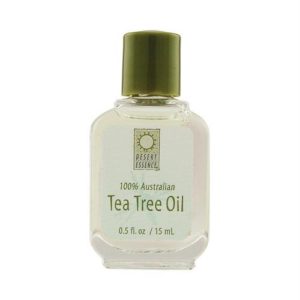
Acne – Tea tree oil contains very strong anti-microbial properties, which basically means it kills bacteria. It has been used to treat mild to moderate acne. Studies found that although initially it took a bit longer to see results with tea tree oil, this natural remedy was more effective and had fewer side effects than over the counter medications. For acne treatment you dilute 5 mL of tea tree oil with 95 mL of water.
Nail Fungus – Clean and dry the area thoroughly. Apply undiluted tea tree oil to toe nails unless you notice irritation. If you do notice irritation, dilute the oil slightly. Be consistent with applications to see results.
Respiratory Infections – The antibacterial properties of tea tree oil can combat the symptoms of respiratory infections. Bring a large pot of water to a boil. Remove from heat and add 2-3 drops of tea tree oil. Cover your head with a towel and inhale the tea tree vapors to help relieve congestion, sore throat and runny nose.
Dandruff – Tea tree oil helps alleviate dry scalp. To treat dandruff, add a few drops of the oil to your shampoo. If you have severe dandruff you may want to massage a small amount of tea tree oil into your scalp
Split Ends – To help daily hair issues like split ends or fly aways, take a few drops and rub it between your palms and them apply to trouble areas.
Skin Conditions – Tea tree oil can be an effective treatment for skin conditions including ringworm, insect bites, and dry skin. To use tea tree oil topically for these ailments you should dilute the oil 5mL of oil to 95mL of waters.
Warts – Warts are caused by a virus in your skin. Tea tree oil has been proven to kill all sorts of viruses and is effective at curing warts. Apply oil, full strength, to the area. Apply daily for best results.
by Susan Dean | Feb 2, 2018 | Health

Staying hydrated keeps your memory sharp, mood stable and motivation intact. When you’re well hydrated, you can think through a problem more easily. Researchers hypothesize that not having enough water could reduce oxygen flow to the brain or temporarily shrink neurons — or being thirsty could distract you. Water keeps your throat and lips moist and prevents your mouth from feeling dry. Dry mouth can cause bad breath and/or an unpleasant taste, and can promote cavities. Dehydration lowers your blood volume, so your heart must work harder to pump the reduced amount of blood and get enough oxygen to your cells, which makes everyday activities like walking up stairs more difficult. When you’re well hydrated, the water inside and outside the cells of contracting muscles provides adequate nutrients and removes waste efficiently so you perform better. Water is important for lubricating joints. Muscle cramps do not appear to be related to dehydration, but to muscle fatigue, according to Sam Cheuvront, Ph.D., an exercise physiologist for the U.S. Army Research Institute of Environmental Medicine.
When a person is severely dehydrated, skin is less elastic. This is different than dry skin, which is usually the result of soap, hot water and exposure to dry air. Drinking lots of water won’t prevent wrinkles. Your kidneys need water to filter waste from the blood and excrete it in urine. Keeping hydrated may help prevent urinary tract infections and kidney stones. If you are severely dehydrated, your kidneys may stop working, causing toxins to build up in your body.
Water is incredibly important to the human body. The average adult human body is 55-60% water. A baby’s body is closer to 75%. Two crucial organs in the body, the brain and the lungs, are 70% and 90% water respectively. The quality of the water you drink greatly impacts your overall health.
The poor environmental habits of modern society have degraded the quality of our water and have led us to a point where high quality drinking water is difficult to find. While the argument is made that tap water is amongst the best water available to us, a series of testing for the ingredients in our tap water would tell almost anyone that it is certainly not of high quality.
Recent analyses of municipal drinking water have shown that, despite government regulations, there are many dangerous contaminants present in our water. There are many chemicals that are not regulated and there are no legal specifications to restrict what amount of certain chemicals can be in the water. This means that certain chemicals can be found in any given amount.
Many municipalities in Canada and the United States voluntarily add fluoride to their water supplies without the consent or vote of the citizens. Most citizens and government officials are drastically misinformed about fluoride.
The Safe Drinking Water Act only regulates 91 potential water contaminants. In the US alone, over 60,000 chemicals are used that can find their way into water supplies. Many of them have been identified as possible carcinogens. Current estimates suggest that there are more than 2,100 known chemical toxins present in U.S. tap water. Cities with older pipelines face problems as chemicals leach from the lines as the water travels.

What’s in our tap water?
- Fluoride
Fluoride used in water fluoridation practices is a mix of a number of highly toxic chemicals, including radioactive chemicals formed during aluminum and fertilizer production. The substance is considered a class 4 hazardous waste product by the EPA and it is illegal to dump anywhere in the environment. The chemical used in our water, hydrofluorocilicic acid is in fact a class 4 hazardous waste substance that is ILLEGAL to dump in the environment. Yet for over 50 years, the U.S. government has mandated that fluoride be added to the water supply to prevent dental problems. We are still dumping this waste product into the environment, but under the guise of a “health practice.” While there has never been research to suggest the safety or effectiveness of water fluoridation, current research has shown that fluoride has been shown to damage tooth enamel, increase fracture risk, suppress immune and thyroid function, increase cancer risk and disrupt the function of the pineal gland.
- Chlorine
We have all heard of chlorine, not only is it found in our water, but in most swimming pools. In both uses, it is a disinfectant as it effectively kills microorganisms. The trouble is, chlorine does not know when to stop killing organisms, which leads to toxic effects for the body. Chlorine has been identified as a leading cause of bladder cancer, and has been associated with rectal and breast cancers, asthma, birth defects and premature aging of skin.
- Radioactive Contaminants
Remember the Fukushima nuclear accident? Since then, radioactive fallout from Japan has been detected in drinking water supplies throughout the U.S. Radioactive iodine-131 was detected in drinking water samples from 13 U.S. cities. In some cities, radioactive cesium and tellurium isotopes have been detected at low levels. The health implications of this radioactive contamination are not known yet.
- Pharmaceutical Drugs
Pharmaceutical drugs are consumed in great numbers in North America. Inevitably, these drugs find their way into our water after being flushed or discarded via urine. Investigations have demonstrated that an increasing number of pharmaceutical drugs are finding their way into our drinking water and this should pose some concern. Anything from antibiotics and birth control pills to painkillers, antidepressants and other psychiatric medications are showing up in most municipal water supplies.
- Hexavalent Chromium
An Environmental Working Group report revealed that hexavalent chromium, a chemical identified as “probably carcinogen by the EPA,” is present in high concentrations in 31 U.S. cities. If you are unaware of this chemical, it was made famous by the movie, Erin Brockovitch, which chronicled the truth story battle against Pacific Gas and Electric for contaminating the water in an area of Southern California. The chemical poisoned thousands of people yet there are still no regulations for hexavalent chromium in drinking water.
- Lead, Aluminum & Heavy Metals
Lead and other heavy metals can make their way into our tap water as a result of the corrosion of pipes in our plumbing systems. Lead consumption has been linked to severe developmental delays and learning disorders in children. Aluminum and other heavy metals have been linked to nerve, brain and kidney damage. In the United States, some municipalities still transport water in lead pipes.
- Arsenic
Arsenic is a wellknown poisonous element known to be extremely carcinogenic. According to the Natural Resources Defense Council, it is estimated that as many as 56 million Americans drink water containing unsafe levels of arsenic. Considering the carcinogenic nature of Arsenic, this can greatly increase the rate of cancer.
What Can You Do?
Drink reverse osmosis water or distilled water. Due to the lack of minerals, it would be beneficial to add minerals back via supplements.


by Susan Dean | Feb 2, 2018 | Health, Kitchen Recipes, Medicinal Recipes
Toxic heavy metals such as arsenic, cadmium, lead, mercury and uranium are pervasive in much of the environment. There are safe, organic and affordable ways to detoxify and eliminate these toxins from the body. Ten such examples are:
1) Bentonite (Clay) – Aluminium Phyllosilicate (Montmorillonite)
Bentonite clay is a form of volcanic ash that has the ability to physically remove from the body up to 25 times its weight in impurities through a process called adsorbtion. Bentonite has laxative properties and contains high levels of iron, magnesium and silicon. Available in two forms (sodium and calcium) bentonite clay is used in cement, ceramics, acne medication, facial clay, cat litter and to clarify wine. Higher grades of clay are safe for ingestion while lower grades are for external use only and thus are of questionable benefit.
2) Bladderwrack (Sea vegetable) – Fucus vesiculosus (Fucaceae)
Bladderwrack is a type of brown seaweed found in both the Atlantic and Pacific oceans. The stem is used medicinally while the thallas (air filled pods) help the algae float. Containing the active components iodine, fucoidan, alginic acid and phenols in varying amounts based on the water where it grew, bladderwrack is used to relieve heartburn and to stimulate both the immune system and thyroid. Bladderwrack has antibacterial and anti-inflammatory properties.
3) Blue Green Algae (Cyanobacteria) – Anabaena sphaerica (Cyanophata)
Blue green algae (along with green algae such as Chlorella) contain chlorophyll, an antioxidant and deep green pigment. Bacteria such as Fecal Coliform cannot coexist with chlorophyll, which helps keep fresh water clear. Algae not only contain nearly every required vitamin and mineral, but also have the effect of increasing oxygen while reducing nitrogen and carbon. Chlorella appears to bind to heavy metals to both detoxify and remove them. Studies in Japan following the nuclear disasters at Hiroshima and Nagasaki in 1945 showed that 8 grams of Chlorella daily caused a five-fold increase in the amounts of uranium, lead and cadmium that were eliminated.
4) Burdock (Root) – Arctium lappa (Compositae)
A potent blood purifier, burdock root removes heavy metals such as mercury along with other toxins. Containing up to 45% inulin along with arctiopicrin, arctiin, tannins and volatile oil, burdock is used to treat skin conditions such as acne. Burdock helps to purify the liver and is used as a natural cancer treatment. Burdock has antibacterial, anti-fungal and anti-tumor properties.
5) Cilantro (Leaf and stem) – Coriandrum Sativum (Umbelliferae)
Cilantro contains the antioxidants camphor, carvone, elemol, geraniol and limonene. A natural deodorizer, cilantro relieves nausea, indigestion and bloating. Consuming cilantro (the seeds of which are the spice coriander) helps reduce cholesterol and blood sugar levels. Cilantro kills Salmonella and removes heavy metals such as mercury from the body. Cilantro has anti-inflammatory and antibacterial properties and can be easily grown in the home garden.
6) Garlic (Clove) – Allium Sativum (Liliaceae)
Garlic contains the antioxidant allicin, which is formed from alliin and allinase when the cloves are crushed. Garlic helps lower blood pressure and cholesterol while cleansing the liver. Offering unique health benefits when consumed in raw versus cooked or aged, Garlic has antiviral, antibacterial, antimicrobial and antifungal properties.
7) Glutathione (GSH)
Glutathione is a type of amino acid chain called a tripeptide. Glutathione modulates the order of cell life, a process called homeostasis. Glutathione is essential for handling environmental toxins as it detoxifies carcinogens (in particular arsenic) and helps the body to remove heavy metals such as cadmium, iron and mercury. This helps the metabolism and immune system by removing dead weight. GSH has antioxidant properties.
8) Onion (Bulb) – Allium Cepa (Liliaceae)
Onion contains the antioxidant quercetin. Onion relieves allergy symptoms and congestion along with helping reduce cholesterol. Onion can treat and prevent cataracts, atherosclerosis and coronary heart disease and helps remove heavy metals from the body. Onion has antimicrobial properties.
9) Selenium (Mineral)
Selenium is an essential trace mineral that functions as an antioxidant and promotes a healthy immune system. Required in remarkably small amounts (the RDA is measured in the millionths of a gram), selenium is highly toxic in larger amounts. Selenium has strong anti-cancer effects and is known to help detoxify the body and remove heavy metals including mercury.
10) Zeolite (Mineral)
Zeolite is a natural combination of volcanic ash and sea water. With a honeycomb-like structure it forms (teeny) tiny cage-like structures that physically trap heavy metals without removing critical minerals. Animal studies show zeolite to actually improve overall nutrition. A patented process purifies zeolite (since it is a heavy metal magnet it is already ‘full’ when found naturally). Purified zeolite has been shown to help prevent and reverse the growth of cancer cells. While it seems promising, it appears that more independent studies on zeolite are needed as most of the research is published on “Tribute to Zeolite” style web sites that enshrine the product.
by Susan Dean | Feb 2, 2018 | Health, Kitchen Recipes, Medicinal Recipes

Detoxifying Your Body – The rate at which your detoxification pathways function depends on your genes, your age, lifestyle and a supply of nutrients involved in the detox process.
Beets have vitamins B3, B6, C and beta-carotene a high amount of fibre and are a valuable source of iron, magnesium, zinc and calcium, necessary to promote optimal detoxification and elimination. They support gallbladder and liver health, the organs important in breaking down and removing toxins.
Algae have powerful antioxidants that help alkalize the blood and strengthen the digestive tract. Toxins are absorbed from the digestive tract. Sea vegetables have the most minerals of any food, containing all the minerals in the ocean and found in human blood.
Dandelions are rich in minerals and phytonutrients. They support cleansing of the digestive tract and offer great liver support.
Broccoli is a powerhouse and releases phytochemicals. Broccoli sprouts can provide more benefit than regular broccoli. They contain 20 times more sulfurophane.
Ground flaxseeds provide fibre that helps bind and flush toxins from the intestinal tract. They’re a great source of omega 3 oils.
lemon stimulates enzymes and helps convert toxins to a water-soluble form easily excreted from the body. Drinking lemon water in the morning helps balance out the acidity of foods.
Garlic is a powerful antiviral, antiseptic and antibiotic. Ridding your body of these pathogenic microbes can reduce endogenous (made by your body) toxins. The vital sulphuric compounds garlic contains makes it an essential detoxifier.
Artichokes increase bile production and purify/protect the liver. They have a mild diuretic effect on the kidneys, ensuring proper removal of toxins.
Curcumin is the active ingredient in turmeric. Curcumin is used a lot in Ayurvedic Medicine to treat liver and digestive disorders.
Apples are wonderful and give us fibre, vitamins, minerals and many beneficial phytochemicals used in the detox process. One flavonoid is thought to stimulate bile production, as the liver gets rid of toxins through the bile. Apples are a good source of pectin, which helps detox metals and food additives from the body. It’s best to eat organic apples. The non-organic varieties are among the top 12 foods containing the most pesticide residues.
by Susan Dean | Feb 2, 2018 | Health, Kitchen Recipes, Medicinal Recipes

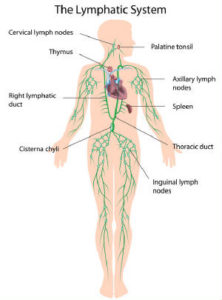
The lymph system consists of lymph nodes, lymph vessels, and organs. The primary jobs of the lymphatic system are to isolate and fight infections, and to absorb excess fluid, fat and debris from our bodies. As these materials build up in the lymph system, it may become congested or blocked. Because the lymph system cleanses our entire body, symptoms of a blocked system can manifest in many ways from frequent cold and infections to joint pain. Follow healthy nutritional and lifestyle guidelines to cleanse and rejuvenate your lymph system.
Clean up your diet to cleanse your lymphatic system. A healthy diet produces less waste for your lymph system to clean up, reducing your chances of congestion.
1. Avoid processed foods that are high in salt, sugar and preservatives.
2. Replace simple sugars and carbohydrates with whole grains, complex carbohydrates and fruit.
3. Identify any food allergies you may have and avoid eating those foods.
4. Drink 6 to 8 glasses of filtered or purified water daily. Your body needs to be well hydrated to keep your lymph system operating properly.
5. Practice deep breathing from your diaphragm and through your nose to keep your lymph fluids moving. Learn proper breathing techniques to get the proper amount of oxygen throughout your body.
6. Get regular physical exercise. Jumping up and down on a trampoline or playing jump rope for 5 minutes a day is great for your lymph system. Other moderate exercise, such as walking and stretching, is helpful if done regularly.
7. Relax in a sauna or steam bath and let your body sweat out toxins to cleanse your system
8. Wear clothing that fits properly. Tight clothing restricts your lymph system and contributes to blockage. For the same reason, women should avoid under-wire bras and try to wear no bra for at least 12 hours each day.
9. Deal with stress, depression and other emotional issues. Just like a congested lymph system can lead to emotional problems, so can the reverse occur. Sometimes when we are stuck in stress or other emotional issues, these feelings manifest in physical problems.
10. Consider alternative therapies. Acupuncture has been found to do wonders for keeping our lymph system flowing. Regular treatment from a massage therapist who is familiar with lymph drainage massage is a great way to keep your entire body healthy and your lymph system running smoothly.
11. Do a detox and colon cleanse treatment. Choose one that is supported by liver enzymes to ease the burden on your liver and kidneys, and to decrease the pressure they place on your spleen.
The appearance of cellulite is often a sign of a congested lymph system. Massage the areas of your body where the cellulite exists, as well as the lymph nodes in your groin to help improve the condition. Self-massage can be beneficial to cleanse your lymph system, especially if done around your abdomen and breasts.
Apple Cider Vinegar Cleanse
Combine:
1 cup water
1-2 caps full of ACV
(I make my ACV with 32 ounces of water)
8 ounces equals 1 cup
You can mix honey with it for taste
Apple Cider Vinegar Cleanse II
In the blender put:
1 cup apple cider vinegar (organic unfiltered)
1 cup raw honey (local is best)
8 cloves of garlic
Mix for 1 minute on high speed. Put it in a glass container and keep it in the refrigerator for five days. Take 2 teaspoons every morning before breakfast mixed in water or juice. Diluting makes it easy to take.
Recipe III
Chop a small onion and a few cloves of garlic and put them in a jar and fill the jar with honey. Let it sit for a couple of weeks. You can use the honey that becomes kind of thin and syrupy just to eat as is, with or without straining or add 2/3 cup of raw apple cider vinegar to 1/3 cup of the honey mixture that has been strained. Dilute 1 Tablespoon of the mixture in juice or water and drink every morning.

11 ways to can get your lymph flowing
There are countless benefits of getting your lymphatic system moving more efficiently, including more energy, less pain, and improved detoxification.
1. Breathe deeply. Our bodies have three times more lymph fluid than blood and no organ to pump it. The lymph system relies on the pumping action of deep breathing to help transport toxins into the blood stream to be detoxified by your liver. So breathe in healing oxygen. Breathe out toxins.
2. Get moving. Exercise ensures the lymph system flows properly. The best is rebounding on a mini trampoline, which dramatically improves lymph flow, but stretching and aerobic exercise work well.
3. Drink plenty of water. Without adequate water, lymph fluid cannot flow properly. To ensure the water is readily absorbed by cells, add some fresh lemon juice or oxygen or pH drops.
4. Stop drinking the sugar, color and preservative-laden beverages that add to the already overburdened workload the lymph system handles.
5. Eat more raw fruit on an empty stomach. The enzymes and acids in fruit are powerful lymph cleansers. Eat them on an empty stomach for best digestion and maximum lymph-cleansing benefits. Most fruits are digested within 30 minutes or so and quickly help you feel better.
6. Eat plenty of green vegetables to get adequate chlorophyll to help purify your blood and lymph.
7. Eat raw, unsalted nuts and seeds to power up your lymph with adequate fatty acids. Choose from walnuts, almonds, hazelnuts, macadamias, Brazil nuts, flaxseeds, sunflower seeds and pumpkin seeds.
8. Add a few lymph-boosting herbal teas to your day, such as astragalus, echinacea, goldenseal, pokeroot or wild indigo root tea. Consult a specialist before combining two or more herbs if taking medications or have any serious health conditions.
9. Dry skin brush before showering. Use a natural bristle brush. Brush dry skin in circular motions upward from the feet to the torso and from the fingers to the chest. Work in the direction as your lymph flows—toward the heart.
10. Alternate hot and cold showers for several minutes. The heat dilates the blood vessels and the cold causes them to contract. Avoid this type of therapy if you have a heart or blood pressure condition or you are pregnant.
11. Get a gentle massage. A gentle massage can push up to 78 percent of stagnant lymph back into circulation. Massage frees trapped toxins. You can try a lymph drainage massage that specifically targets lymph flow in the body. Whatever type of massage, make sure it is gentle. Too much pressure may feel good on the muscles, but doesn’t have the same lymph-stimulating effects.
Dry Brushing your skin helps greatly with detoxification by helping the lymphatic system to cleanse and rid the body of toxins. One of the main functions of the lymphatic system is to protect against invading disease and micro-organisms. It is also responsible for transporting nutrients to other parts of the body.. However, it does not have its own pumping system and is thus dependent on good breathing (deep breathing exercises helps pump the lymph) and circulation. Daily skin brushing can effectively boost a sluggish lymph system. Always brush the extremities toward the heart. Do not skin brush at night since the stimulation may keep one awake.
Exercises to Clear the Lymph System
If lymph fluids get backed up in our nodes or if there are problems with our lymph ducts, the nodes may swell and become inflamed and compromise the body’s immune system.
White blood cells are the reason the lymphatic system is so important. A doctor looks at WBC levels in determining an infection. When pathogens invade the body, white blood cells exit the lymph nodes and enter the bloodstream to fight the infection, characterized typically by two things: a fever and a high WBC count. Low WBC counts in the presence of a fever can signify a problem with your immunity.
The lymphatic system is not a closed system, and in humans it doesn’t have a pump. The movement of the lymph fluid relies on physical movement in order to circulate and prevent the nodes and ducts from becoming blocked with dead white blood cells. Without adequate movement of the fluid, lymph nodes can become infected and disturb the normal homeostasis of the body’s immune and vascular systems. In the brain, a lack of lymph drainage can damage memory and contribute to Alzheimer’s disease. When the lymph nodes near our major organ systems don’t flow and drain effectively – it can cause widespread organ dysfunction.
Certain kinds of movement and exercise are regarded as beneficial to the lymphatic system and assist the movement and drainage of the lymph.
#1: Massage is one of the most popular ways to manually drain your lymph nodes, particularly in areas like the breast and armpit. When massaging the breast, gently make circular motions that lead away from the areola and towards the armpit and downward.. You can apply this technique to other lymph nodes of the body.
#2: Exercise is another way to get all your lymph nodes drained. Moderate exercise helps improve vascular circulation and promotes adequate drainage two to three times better than not doing exercise at all. Lymph flow in and out of the nodes is increased during exercise. Try jogging, walking, cycling, or other similar exercises for 30 minutes, three times a week to promote proper drainage of lymph nodes.
#3: Rebound Therapy is technically a form of exercise. Rebound therapy has a variety of health benefits from physical to emotional. Bouncing is really good for your health! Through gentle rebounding on a trampoline (or similar surface), circulation and lymph drainage is improved. It lies with the lymph ducts’ valves. Bouncing is a more intense form of walking. When pressure is placed on the lower extremities, the valves in the lymph ducts close and they open when the pressure is released. When you bounce, the valves close and open more fully than walking or jogging, promoting better lymph fluid evacuation.
Click here for the Stamina 36 inch foldable rebound trampoline