by Susan Dean | Feb 2, 2018 | Health

Time Outdoors and Healthy Eyes
In a matter of just two generations myopia or shortsightedness has risen from 20 to almost 90 percent in East Asian city dwelling children. And it turns out that in most cases it’s not a genetic disorder but rather an environmental factor.
Children who live in cities in China, Taiwan, Hong Kong, Japan, Singapore and South Korea are faced with massive educational pressures. In addition, many East Asian cultures promote staying inside during lunchtime and having a nap.
When East Asian children aren’t in school they are inside watching television, playing video games or reading. On average East Asian children are spending only 30 minutes each day outside exposed to sunshine or filtered light from an overcast sky.
According to Professor Ian Morgan of the Australian National University the reason for the dramatic rise in shortsightedness amongst East Asian city dwelling children is due to a lack of exposure to sunshine.
Exposure to sunshine stimulates the body’s production of a chemical called dopamine, which is known to prevent the eyeball from elongating and in turn distorting the focus of light entering the eye.
Australian children spend up to three hours a day outside and shortsightedness amongst their youth is about 10 percent. The rate amongst children in Britain and the U.S. is higher at about 35 percent whilst in Africa it’s only about 3 percent.
This recent study highlights the importance of children getting outside to help maintain healthy eyes. Getting children to play outside and involved in physical activity helps protect them against the onset of type II diabetes and obesity, vitamin D deficiency and osteoporosis.
Snubbing the outdoors for books, video games and TV is the reason up to nine in ten school-leavers in big East Asian cities are near-sighted, according to a study.
Neither genes nor the increase in activities like reading and writing is to blame, the researchers suggest, but a simple lack of sunlight.
Exposure to the Sun’s rays is believed to stimulate production of the chemical dopamine, which in turn stops the eyeball from growing elongated and distorting the focus of light entering the eye.
“It’s pretty clear that it is bright light stimulating dopamine release which prevents myopia,” says researcher Ian Morgan of the Australian National University, lead author of the study published in The Lancet medical journal.
The average primary school pupil in Singapore, where up to nine in ten young adults are myopic, spent only about 30 minutes outdoors every day – compared to three hours for children in Australia where the myopia prevalence among children of European origin is about 10 per cent.
The figure in Britain was about 30 to 40 per cent and in Africa “virtually none” – in the range of two to three per cent, according to Morgan.
More than other groups, children in East Asia “basically go to school, they don’t go outside at school, they go home and they stay inside. They study and they watch television,” says Morgan.
The most myopic school-leavers in the world are to be found in cities in China, Taiwan, Hong Kong, Japan, Singapore and South Korea, where between 80 and 90 per cent were affected. Of these, 10 to 20 per cent had a condition called high myopia, which can lead to blindness.
“Most of what we’ve seen in East Asia is due to the environment, it is not genetic,” says Morgan, contrary to the common belief 50 years ago.
The researchers, collating the findings of studies from around the world, stressed that being a bookworm or computer geek does not in itself put you at risk. “As long as they get outside it doesn’t seem to matter how much study they do,” explained Morgan.
“There are some kids who study hard and get outside and play hard and they are generally fine. The ones who are at major risk are the ones who study hard and don’t get outside.”
Morgan says children who spent two to three hours outside every day were “probably reasonably safe”. This could include time spent on the playground and walking to and from school.
“The amount of time they spend on computer games, watching television can be a contributing factor. As far as we can tell it is not harmful in itself, but if it is a substitute for getting outside, then it is,” he says.
Morgan says ways must be found to get children to spend more time in reasonably bright daylight without compromising their schooling.
“It is going to require some sort of structural change in the way a child’s time is organized in East Asia because there is so much commitment to schooling and there is also a habit of taking a nap at lunchtime, which is from our perspective prime myopia prevention time.”
Researchers say students working very hard in school and missing out on outdoor light are causing the “extraordinary rise” in the problem. The scientists told the Lancet that up to one in five of these students could experience severe visual impairment and even blindness.
Prof Ian Morgan
Australian National University
“They’ve gone from something like 20% myopia in the population to well over 80%, heading for 90% in young adults, and as they get adult it will just spread through the population. It certainly poses a major health problem.” Eye experts say that you are myopic if your vision is blurred beyond 2m (6.6ft). An elongation of the eyeball that happens when people are young often causes it.
According to the research, the problem is being caused by a combination of factors – a commitment to education and lack of outdoor light.
The scientists believe that a chemical called dopamine could be playing a significant part. Exposure to light increases the levels of dopamine in the eye and this seems to prevent elongation of the eyeball.
“We’re talking about the need for two to three hours a day of outdoor light – it doesn’t have to be massively sunny, we think the operating range is 10-20,000 lux, we’re not sure about that – but that’s perfectly achievable on a cloudy day in the UK.
“Whether it’s a purely environmental effect or an environmental effect playing a sensitive genome, it really doesn’t matter, the thing that’s changed is not the gene pool – it’s the environment.” The time children spend outdoors could be linked to a reduced risk of being shortsighted, research suggests.
An analysis of eight previous studies by University of Cambridge researchers found that for each additional hour spent outside per week, the risk of myopia reduced by 2%. Exposure to natural light and time spent looking at distant objects could be key factors, they said. The studies involved more than 10,000 children and adolescents.
Dr Justin Sherwin and his research team concluded that shortsighted children spent on average 3.7 fewer hours per week outdoors than those who either had normal vision or were long-sighted. “On the other hand, increasing outdoor physical activity could protect against diabetes and obesity, vitamin D deficiency and osteoporosis, for example,” he said.
Shortsightedness is a common eye condition that causes distant objects to appear blurred, while close objects can be seen clearly. Myopia is the medical term for shortsightedness. It is much more common today in the UK and the United States than it was just 30 to 40 years ago. Approximately 1-2% of five- to seven-year-olds in the UK have myopia.
Are they moving? Can you stop them?


by Susan Dean | Feb 2, 2018 | Health, Kitchen Recipes, Medicinal Recipes

Brain health is essential to all other physical functions. How many of these brain-harming habits are you engaging in?
1 – Unhealthy Diet
The number one risk factor for any disease is a bad diet. Having too much salt, fat, and preservatives in the food we eat increases our risk for developing many diseases. Having diabetes and hypertension affects the way blood delivers oxygen to the brain, and without enough oxygen, brain tissue starts to die. Damaged brain tissue can cause memory and mood disturbances (beyond the physical manifestations).
2 – Smoking
Smoking is a dangerous vice that affects our circulatory system. Nicotine damages the walls of our blood vessels, making them prone to rupture. Even without causing damage to the cerebral blood vessels, the constant vasoconstriction affects the delivery of blood (and therefore oxygen) to the brain. Smoking is also a major contributing factor to hypertension and diabetes – both of which can affect the brain.
3 – Drinking Alcohol
Alcohol is a depressant of the nervous system, affecting a person’s mood and memory. Too much alcohol can cause blackouts, which manifests as the typical loss of memory and prolonged depressed mood in a healthy adult. These symptoms become more pronounced in older people, often being mistaken for dementia or Alzheimer’s disease – or worse, disguising their symptoms.
4 – Lack Of Sleep
Sleeping during the night is when the body recovers and regenerates from the day’s activities. Older people are light sleepers because they spend less time in deep sleep, which makes them easily awaked by noise or other similar disturbances. Without enough sleep, people wake up tired and less alert. Consistently lacking in quality sleep disturbs the brain’s natural sleep cycle, memory retention, and mood. People often have difficulty concentration and are very irritable without enough sleep.
5 – Drug Use
Drug use, whether medicinal or recreational, has the potential to permanently damage our brain. Drugs, by design, are intended to alter brain function – temporarily providing feelings of elation and improving energy levels. But mind-altering substances can cause damage the neuronal pathways to the brain; people who abuse drugs often experience depression and an inability to concentrate. In some cases, drug use affects a person’s level of consciousness and may even cause seizures and difficulty breathing.
6 – Being Unsociable
Regular social interaction is a basic human need. Opportunities to socialize with others are actually opportunities to keep our brain healthy and alert. People who avoid social interaction are prone to developing psychosocial mental disorders because of a lack of social support from either family or friends. Studies have revealed a causal relationship between social isolation and deteriorating mental and physical health.
7 – Low Self Esteem
Self-esteem is one of the building blocks of a healthy mental state. Most mental disorders stem from low-self esteem that leads to self-destructive behavior. When we put ourselves down by comparing ourselves with others and thinking that we are never good enough, it can damage our mood and our relationships with others. Learn to praise yourself when warranted, think you can instead of can’t, and grab the opportunities that come your way.
8 – Not Exercising
A new study in JAMA Psychiatry has demonstrated that three or more periods of exercise per week decreases your risk of being depressed by 19%. University College London researchers monitored 11,000 people born in 1958 up until the age of 50 and discovered a correlation between physical activity and depression. People who were depressed were less likely to be active, while those who were active were less likely to be depressed.
9 – Overuse of Electronic Devices
Links have been found between use of computers and smart phones in the late evening and an inability to sleep – due to overstimulation of the brain. It’s a well known fact that if you spend too long on the computer, you can get “brain fog” and a kind of physical lethargy and lack of motivation. Take breaks. Best of all, have days with no computer use and spend time out in nature doing physical activities.


by Susan Dean | Feb 2, 2018 | Health, Kitchen Recipes, Medicinal Recipes, Music

 The brain is a three-pound supercomputer. It is the command and control center running your life. It is involved in absolutely everything you do. Your brain determines how you think, how you feel, how you act, and how well you get along with other people. Your brain even determines the kind of person you are. It determines how thoughtful you are; how polite or how rude you are. It determines how well you think on your feet, and it is involved with how well you do at work and with your family. Your brain also influences your emotional wellbeing and how well you do with the opposite sex.
Brain Foods – To Get Your Thinking on Track and Boost Cognitive Performance.
1. Walnuts are an excellent source of brain-boosting antioxidants – more than other nuts. They have a dramatic impact on the brain’s ability to process information and come to conclusions. A diet including more than 2% walnuts was able to reverse brain aging, including age related motor and cognitive defects.
2. Blueberries are loaded with antioxidants that can fight age related cognitive decline, improving neuron function. In addition, prevent brain degeneration, and boost memory. In one study, test subjects who ate the most blueberries and strawberries “delayed their memory decline up to 2.5 years when compared with those who did not report eating berries.
3. Extra Virgin Olive Oil is a potent source of beneficial monounsaturated fats. Saturated fats, found in meats and full-fat dairy products, age the brain more quickly. Monounsaturated fats seem to slow the aging of the brain. One study showed that women who had a high consumption of monounsaturated fat had brains that were about 6 to 7 years younger than their biological age!
4. Coffee, a free-trade organic coffee, can do great things for focus and brainpower. Caffeine is a drug and comes with withdrawal effects when consuming too much on a regular basis. Use moderately.
5. Water – Without water or without enough water, you are aging your brain at a rapid rate. A 2011 study showed that dehydration causes brain shrinkage! In order to replace fluids lost from urination, defecation, perspiration and respiration, drink one half of your body weight in ounces daily.

10 MOST DAMAGING BRAIN HABITS!
1. Lack of Stimulating Thoughts -Lack of brain stimulation may cause brain shrinkage. Thinking is the best way to train your brain, so think more, write more, explore more, all this will help you to keep your brain fresh.
2. Skipping Breakfast or No Breakfast at all – People who do not eat breakfast have lower blood sugar levels, which leads to an insufficient supply of nutrients to the brain causing brain degeneration.
3. Over Eating – Often we find tasty food and start eating more than what our body requires, which can cause hardening of the brain arteries, leading to a decrease in mental power.
4. Smoking – Smoking not only harms the lungs, but the brain as well, the nicotine in cigarettes contains substances that can cause multiple brain cell shrinkage, leading to Alzheimer’s disease.
5. High sugar consumption – Too much sugar will interrupt the absorption of proteins and nutrients causing malnutrition and may interfere with brain development.
6. Sleep Deprivation – Long term deprivation from sleep will accelerate the death of brain cells. More cells dead equals more memory loss.
7. Head covered while sleeping – Sleeping with the head covered increases the concentration of carbon dioxide and decreases concentration of oxygen that may lead to brain damaging effects, it would result in a 92.8% chance of suffering from either an early stage, middle stage, or late stage of dementia, by the age of 70.
8. Talking Rarely – Intellectual conversations will promote the efficiency of the brain.
9. Working your brain during illness – Take a rest. Working hard or studying with sickness may lead to a decrease in effectiveness of the brain as well as damaging the brain.
10. Air pollution – You probably know that your brain is the largest oxygen consumer in your body, so it’s the organ that consumes the largest amount of pollution from the air. Inhaling polluted air decreases the supply of oxygen to the brain, bringing about a decrease in brain efficiency.
Brain food
Beets bring vitamin B to the brain game. This vital nutrient helps you quickly process data and sort through your memories. Fresh beets even serve as natural antidepressants! Sauté and eat beet greens, too. They’re packed with heart-protecting folate. Avoid canned beets; the containers are likely coated i BPA, a chemical that disrupts our natural hormonal systems.Anchovies
Your brain thrives on omega-3 fatty acids. The polyunsaturated fats help protect your brain from accelerated aging and memory loss, while shooing away depression and bad moods. Anchovies boost 10 times the omega-3 levels that tuna does and are much lower in harmful seafood contaminants like mercury. As a side benefit, the tiny fish are loaded with bone-building vitamin D and calcium.
Old-Fashioned Eggs
Pastured eggs are chock-full of brain-protecting omega-3 fatty acids. Eggs have even been called the perfect brain food. Eggs from pastured hens contain two times more omega-3s than standard store-bought eggs, and three times more naturally occurring vitamin E, a potent antidepressant and possible Alzheimer’s disease preventer. Be sure to eat the yolks. Pastured eggs are rich in choline, a brain-boosting compound that promotes neurotransmitter health.
Berries
Raspberries and blueberries contain anthocyanin compounds that protect brain neurons linked to memory. Strawberries’ fisetin compounds build long-term memory strength. A British study found that eating about a cup of blueberries a day can markedly improve memory in just a few months.
Lard
The right type of lard can do wonders for your brain; specifically your mood. Lard’s oleic acid is a monosaturated fat that lowers your risk of depression. It’s a rich source of vitamin D, a vital hormone believed to stave off dementia. For the healthiest lard, source the product from a farmer who grazes the farm animals on organic pasture.
Cayenne Peppers
Hot peppers are bursting with capsaicin, a compound famous for its use as a natural fat fighter and pain reliever. The human brain is loaded with receptors for capsaicin, which release calmness-promoting endorphins, making it easier for us to focus.
Brussels sprouts
Scientists have proven that the cruciferous plant is packed with molecules that our bodies convert into diindolymethane, an immune-system booster that helps protect new brain cells. Its antioxidant content helps clean up cancer-causing free radicals, waste products your body makes when it uses fuel to create energy.
Kale
Kale, cabbage, broccoli, and cauliflower act as potent anti-aging agents for the brain. A Harvard Medical School study of more than 13,000 women found that eating these veggies lowered brain age by 1 to 2 years. Kale is super easy to grow fresh and organically in your back yard.
Pumpkin Seeds
Pumpkin seeds are tiny treasures filled with tryptophan, a crucial building block of brain health used to create serotonin, a key component of mood and brain health.
Apples
This fruit contains catechins, substances that show promise in protecting us from brain damaging chemicals too common in everyday products. Be sure to choose organic apples; the catechins are in the fruit’s skin, the part exposed to pesticides in chemical farming.Dark Chocolate
Flavonol compounds in dark chocolate help boost your circulatory system, promoting better blood flow to the brain. In fact, they could even improve your math skills. A 2009 study discovered that those who drank flavonol-fueled hot cocoa calculated more quickly and were less likely to feel tired or mentally drained.


BRAIN HEALTH1) Eat beets. Researchers from Wake Forest University had 14 seniors (70 years old and up) drink either 16 oz. of beet juice or eat a control diet in the morning for two days. They used MRI machines to measure blood flow to the brain. The groups switched diets for another two days, then were tested again. The result: The beet-juice drinkers enjoyed 21 percent increased blood flow to the frontal lobes — sensitive areas of the brain vulnerable to the degeneration that leads to dementia. 2) Eat more spinach, kale, broccoli and cauliflower. Harvard Medical School researchers found that middle-aged women who ate the most leafy greens and/or cruciferous veggies boosted their odds of maintaining mental sharpness in later years. Those who ate eight or more servings of vegetables, like spinach and broccoli, scored higher on cognitive tests than subjects who consumed just three servings a week. 3) Eat more berries. Blueberries, strawberries, raspberries and other varieties have anthocyanins that can help reverse some loss of balance and memory associated with aging. Researchers at the Neuroscience Laboratory at Tufts University found blueberry-supplemented animal subjects had improved brain and motor function coordination. 4) Don’t forget fish. A study found that older people who eat fish at least once a week might reduce their risk of Alzheimer’s by more than half. Other research indicates that the omega-3 fatty acids in fish may support the function of brain cell receptors. Fish keeps you trim: it has half the calories and less than a tenth the saturated fat as the same size serving of beef, yet fish protein may help you feel fuller longer. 5)Drink more fruit and vegetable juice. A Vanderbilt University study found that those who drank fruit or vegetable juice more than three times per week were an astounding 75 percent less likely to develop Alzheimer’s than once-a-week or non-juice drinkers. Researchers believe that the antioxidant polyphenols contained in the juice guard against the oxidation (or rust, if you will) of brain tissue. You’ll get more healthy nutrients if you squeeze (or juice) your own fruit and vegetables.Why is diet so important to brain health? The North Carolina Research Campus is the only campus in the world encompassing eight universities working together for the benefit of health and longevity. These include Duke University, UNC Chapel Hill, NC State University, UNC Charlotte, North Carolina Central University, NC A&T State University, UNC Greensboro and Appalachian State University. According to Steven Zeisel, M.D., Ph.D., Director of the Nutrition Research Institute at the North Carolina Research Institute, “The same factors that affect the health of your arteries also impact the 100,000 miles of blood vessels that support your brain. Though most brains account for less than 2 percent of body weight, the brain uses 20 percent of the body’s blood supply and 25 percent of its oxygen supply.”Be smart, and you’ll stay smart — for as long as possible. Exercise your brain and body, keep engaged with work and friends, and feed your brain with a healthy, plant-based diet and knowledge.
Feed the brain with healthy fats:
Avoid processed foods, which usually contain trans fats. Check food labels for “trans fats,” “trans fatty acids,” or “hydrogenated oil” and avoid. Foods can contain a small amount of trans fats and still say “0 trans fats” on the package but the small amounts add up. These foods are bad for your heart, your brain, and your mood.When you have to have to indulge your sweet tooth, finding food made without hydrogenated or trans fats.
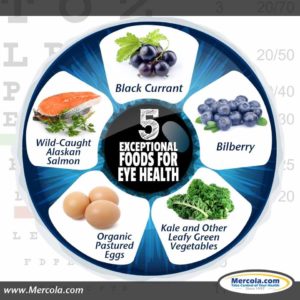
- Eat a diet high in omega-3 fatty acidsfound in fatty fish, such as salmon and omega-3-fortified eggs or fish oil capsules. Rodale.com recommends Alaska wild salmon, and organic eggs.
- Use olive oilwhenever you can for extra heart protection.
- Consume foods that are high in monounsaturated fats.Enjoy these healthy, brain-boosting fats in avocados, peanuts, walnuts, almonds, pecans, mackerel, salmon, and herring.
Omega-3 fatty acids are important for brain development and are associated with lower risk of depression and better mood and the expression of emotion and concentration. ALA, another type of omega-3 is found in plants like flaxseed, walnuts, canola oil and soy. Some easy foods to help you get more omega-3 fats are Wild Salmon, Chunk Light Tuna and Walnuts. Healthy Carbohydrates Fueling the brain with breakfast is important for thinking, acting and learning. Children who are undernourished perform poorly on cognitive tasks. Research shows that fueling your kids with slower-burning carbohydrates like oatmeal, instead of breakfast foods like sugary cereals helps them maintain their concentration and attention throughout the morning. Eat healthy carbohydrates to fuel your brain such as oats or oatmeal, bran cereals, and whole wheat bagels. Iron-Rich Foods Being even mildly iron-deficient affects learning, memory and attention. About 10 percent of young women are anemic because of their monthly loss of iron-rich blood. Restoring iron levels to normal also restores cognitive function. Good sources of iron are beans, dark leafy greens, poultry, fish, and soy. Water and Water-Filled Foods Stay hydrated. Daily water needs for adults range from about 13 cups for men to about 9 cups for women (pregnant women and nursing mothers need slightly more), accounting for an additional 2 1/2 cups of fluids from foods. Daily water needs for kids range by age: kids 1-3 years need 44 ounces a day, 4-8 years need about 57 ounces, boys 9-13 years need 81 ounces, girls 9-13 years need 71 ounces, boys 14-18 need 111 ounces and girls 14-18 need 77 ounces of fluid a day. In addition to offering water with meals, remember that about 20 percent of our fluid intake comes from foods like cucumbers, watermelon, strawberries and salad greens. Women who eat fatty fish, such as salmon, during their third trimester of pregnancy have babies who tend to perform better on cognitive tasks. Researchers think the omega-3 fatty acid DHA is needed during this time to build neurons and their connections. Salmon and other fatty fish, DHA-fortified eggs and yogurt are recommended.Add Iron. By 5 or 6 months, babies have used up the iron stores they’re born with and need to get iron from food or supplements to support brain development.Give them iron-fortified cereals. Morning fuel. School-aged children should start their day with low glycemic index breakfast foods such as bran cereals, oatmeal or whole-wheat bagels.Got iron? 10 percent of women are anemic, and new studies show that being even mildly iron-deficient affects learning, memory, and attention. Luckily, restoring iron levels to normal also restores cognitive function. Eat dark leafy greens, beans, meat or soy. Your red blood cells must have iron in order to take oxygen from the air and carry oxygen to the cells in your body so they can stay alive!Eat your antioxidants. People who eat more brightly colored fruits and leafy vegetables have less cognitive decline than those who don’t; antioxidants in produce may mop up free radicals and protect neurons from damage. Eat berries and other fruits, greens and turmeric which contains curcumin.
Expand your Brain Power
Challenging your peripheral vision improves brain performance and helps you navigate the world safely. Developing better habits of careful listening helps your ability to understand, think and remember. Reconstructing a song requires close attention and an active memory. When you focus you release brain chemicals like the neurotransmitter acetylcholine that enable plasticity and vivifies memory. Playing an instrument helps you exercise many interrelated dimensions of brain function, including listening, control of refined movements and translation of written notes (sight) to music (movement and sound). Heavy crossword players show the same rate of cognitive decline as people who do few crossword puzzles. You can’t get rid of radio static by turning up the volume. Many people raise the volume because their listening has become “detuned”. Matching TV volume to a conversational level can help you catch every word when talking with others. Practice throwing and catching a ball up in the air. People who master these kinds of sensory-guided movement activities can hone their brains’ visual, tactile and hand-eye coordination responses, with widespread positive impacts for the brain. This type of activity has been shown in MRI studies to thicken parts of the brain’s cortex. If you’re right-handed, use your left hand for daily activities (or vice-versa) like brushing your teeth and eating. Doing such activities can drive your brain to make positive changes. Think of millions of neurons learning new tricks as you finally establish better control of that other hand! Walking on bumpy surfaces, such as cobblestones, improves the vestibular system of the inner ear, which plays a central role in balance and equilibrium. Cobblestone walking challenges the vestibular system in ways that improve its function, which translates into better balance which is the key to preventing serious injuries. Mentally rotating the shape of each piece of a puzzle in your head helps brain fitness. Pay attention to the physical world around you. Notice things and make an active effort to find new details in a familiar situation. When you stop learning, your brain stops growing
Keep Your Mind Sharp and Healthy.
Optimize omega 3 fatty acids – A 2009 study in the Journal of Alzheimer’s Disease suggests that inflammation may trigger Alzheimer’s disease. Inflammation has also been implicated in cancer, arthritis, and heart disease. Omega 3 fatty acids are anti-inflammatory, are found in high concentrations in the brain, and play an important role in brain function. Good sources of omega 3s are: wild fatty fish like salmon, tuna and mackerel, grass-fed beef and dairy, and pastured chickens and eggs. Flaxseeds, chia seeds, and nuts like walnuts are other omega 3 sources that can be good in moderation but some experts believe these nuts/seeds are not as bioavailable as animal sources.
Get enough sleep – Sleep deprivation inhibits your ability to think, problem-solve, and process, store and recall information. Most adults need at least 8 hours of sleep per night for memory formation and retention. Black out curtains (or a sleep mask), white noise or earplugs, and a room temperature of 60-68F degrees will help ensure a good night’s sleep.
Get your B Vitamins – High levels of homocysteine, an amino acid, have been linked to dementia. Getting plenty of the B vitamins folic acid, B6, and B12 can lower homocysteine. High-dose B vitamin treatment reduces the loss of brain cells in areas vulnerable to Alzheimer’s disease. Good sources of these B vitamins include leafy greens, seafood such as oysters and wild fish, and grass fed beef. You can also supplement with a high quality B-complex.
Drink Green Tea – Epigallocatechin gallate (EGCG) is a compound in green tea that may improve spatial memory. Studies have shown it to be highly effective at preventing memory-robbing brain plaques from forming. Aim for 1-2 cups of green tea per day, or try matcha – a variety of green tea that contains up to 165 times more EGCG than ordinary green tea. Protein prevents EGCG from being properly absorbed, but vitamin C increases the absorption. For maximum brain-boosting benefits, have your tea between meals and with a bowl of vitamin C-rich foods like broccoli, strawberries, or kiwi.
Get moving! – Exercise helps maintain blood cells to the brain. Reduce your risk of heart attack, stroke and diabetes – and protects against those risk factors for Alzheimer’s disease and dementia.
Eat berries – Antioxidant-rich berries can impact learning and memory. This effect is attributed to the interaction of berry polyphenols with aging neurons. Evidence suggests that polyphenols accumulate in the brain following long-term consumption. As part of a healthy brain diet, make a habit of reaching for fresh or frozen organic berries – each type of berry offers unique antioxidants and polyphenols, so aim for variety.
Relax and Manage Stress – The findings from a recent Swedish study suggest that steroids released in the brain during periods of stress have the power to hinder general brain activity and increase your risk of degenerative brain conditions. Help keep your brain healthy and sharp by reducing or effectively managing your stress. Mediation, light exercise, maintaining meaningful relationships and not over-committing are all ways to reduce your stress load and keep your brain happy.
Have a drink – The Rotterdam study published in the Lancet found moderate alcohol intake (1-3 drinks per day) to be associated with a reduced risk of dementia in elderly individuals. A glass of wine a few times a week with dinner is a fine choice – just stay away from sugary mixed drinks and cocktails.
Avoid BPA – Bisphenol A (BPA) is a chemical found in many consumer goods. A 2013 Duke University study found that “BPA may impair the development of the central nervous system, and raises the question as to whether exposure could predispose animals and humans to neurodevelopmental disorders,” said lead author Wolfgang Liedtke. Reduce your exposure to BPA by being aware of these common BPA-containing culprits: some receipts (tip: if a black line appears when you run your fingernail over the paper, it contains BPA), plastic water bottles and containers, and the lining of metal cans. BPA can penetrate your skin when touched, and can leach into foods or liquids it comes in contact with. Avoid touching receipts whenever possible, and look for water bottles, containers, and canned goods specifically labeled “BPA free.” Or look for stainless steel or glass containers then you don’t have to worry about the BPA.
Add a little spice –
India, where people consume large amounts of the curry-like spice turmeric, has 1/4 the rate of Alzheimer’s as the United States. Turmeric’s magic comes from curcumin which is the pigment that makes the spice bright yellow. Curcumin binds to excess iron and copper in the brain – metals that increase oxidative stress and make you susceptible to brain aging – and carries them away.

Slow Mental Decline
Homocysteine is an amino acid naturally contained in several proteins. High levels have been associated with an increased risk of heart disease, blood vessel abnormalities and brain degenerative processes that lead to dementia. An increased intake of vitamins B1, B2, B6, B12 and folic acid is effective in lowering levels and exerts a protective effect on the brain. Foods rich in these vitamins include whole grains, vegetables and nuts.Major strokes are a leading cause of brain degeneration and mental decline. Micro-strokes and minor alterations of blood vessels in the brain can lead to the initiation of degenerative processes. High blood cholesterol and obesity are risk factors for heart disease and also bad for your brain. The cholesterol build-up in the arteries causes the obstruction of blood flow, which reduces the supply of oxygen and nutrients to brain tissues. Small alterations frequently cause no obvious symptoms, and one may not notice the gradual decline in cognitive functions such as spatial orientation, memory, verbal skills and judgment. Regular blood tests to monitor cholesterol levels and gradual weight loss are effective in maintaining your cardiovascular health and preventing early mental decline.
It’s the food choices that make this diet ideal for preventing mental decline and protecting your brain from early aging effects. It involves a dramatic reduction of meat, eggs, butter and animal-derived fat consumption. The Mediterranean Diet means eating more fish, vegetables, plant-derived oils such as olive oil, whole-grain bread, rice and pasta, plus nuts and seeds. This diet can lower cholesterol levels and provide a rich supply of omega-3 and omega-6 fatty acids, which exert a protective effect on the nervous system cells. This diet is a great source of vitamins from the B category and folic acid, effective in lowering homocysteine levels and protecting the brain from degeneration.
People who use their brain to its full capacity are less likely to develop dementia later in life. Musicians, scientists, chess players and writers are less frequently afflicted by Alzheimer’s and other brain degenerative diseases. Reading, learning a new language, playing chess, solving puzzles, learning to play a musical instrument and communicating with other people are excellent ways to keep your brain busy, which enhances its metabolism and increases its blood supply.
Ginkgo biloba is an herbal supplement traditionally used in the Chinese medicine. It can prevent memory loss and mental impairment, especially in the early stages of dementia.
Huperzia serrata, Chinese club moss, is a plant that contains a natural compound able to increase the levels of acetylcholine, which is a neurotransmitter of brain signals. The reduction of acetylcholine levels is consistently found in Alzheimer’s patients, and the plant-based supplement may help prevent brain degeneration and mental decline or delay its progression.
Excessive sleeping is bad for your brain’s health and fitness. Medical research has discovered that sleeping more than nine hours per night is associated with an increased risk of developing dementia later in life. A great way to prevent mental decline is to sleep not less than six hours and not more than eight hours a night.
Physicians believe that the human mind gets dilapidated and memory worn down with age. Performance and ability to understand and perceive things get affected, but this cognitive decline can be reversed or at least reduced by performing regular physical and mental exercises. Such exercises create a positive impact on certain regions of brain and enhance the cognitive functionality of brain.

Habits That Could Lower Alzheimer’s Risk
Daily Chores And Exercise Simple activities like cooking, cleaning, washing the dishes and exercise is associated with a decreased Alzheimer’s disease risk, even among people who are age 80 and older. Researchers found that people who were the least active each day were two times more likely to develop Alzheimer’s disease.
Being bilingual could strengthen your brainpower and protect against dementia, according to a recent study published in the journal Trends in Cognitive Sciences.
Consume Curcumin – Research in flies suggests that the main compound in turmeric, called curcumin, could have powers against Alzheimer’s. Curcumin may work by reducing the amount of oligomers, which are the “precursor” forms of amyloid plaques in the brain.
Life-long reading and game playing could decrease beta amyloid levels in the brain, which are considered a hallmark of alzheimers. Staying cognitively active over the lifetime may reduce the risk of Alzheimer’s by preventing the accumulation of Alzheimer’s-related pathology.
Walk! Elderly people who walk six to nine miles a week could decrease their risk of dementia and brain functioning problems. People age 65 and older who regularly exercise have a decreased risk of vascular dementia.
Eat Your Fish And Nuts Eating a diet high in omega-3 fatty acids, such as fish, nuts and chicken, is linked with lower levels of beta-amyloid protein, which is linked with Alzheimer’s disease.
Drink Green Tea That refreshing green brew could have powers against Alzheimer’s disease, according to research from Newcastle University. When green tea is digested, the released compounds have protective effects against Alzheimer’s.


Things that can cause brain damage:
1.Skipping Breakfast or No Breakfast at all.
People who don’t take breakfast usually got a lower blood sugar level. That ends up in insufficient nutrients to the brain causing brain degeneration.
2.Over eating causes hardening of the brain arteries resulting in a decrease in mental power.
3.Smoking harms the lungs and the brain. Nicotine in cigarettes contains some substances that cause multiple brain shrinkage. If this continues, you might even get Alzheimer’s disease.
4.High sugar consumption interrupts the absorption of proteins and nutrients inflicting malnutrition. This could interfere in brain development. It’s not advisable, particularly for children to indulge in sweets.
5. Exposure in air pollution is listed here because it is one of the causes of brain damage. The brain is one of the main oxygen consumers in the body. Inhaling polluted air decreases the provision of oxygen, bringing about a decrease in brain potency.
6. Lack of sleep or Sleep deprivation
Sleep is essential. It allows our brain to rest from the hard work done. Long term deprivation from sleep accelerates the death of brain cells.
7. Head covered while sleeping is often unhealthy. Sleeping with your head covered increases the concentration of carbon dioxide and decreases the concentration of oxygen.
8. Working your brain during illness
This is quite common to students and professionals alike. Working hard or studying while sick ends up in decreased brain effectiveness and conjointly brings brain damage.
9. Lacking in stimulating thoughts
Thinking is the best way to train our brain. Having sensible conversations or writing some essays is extremely healthy. Brain stimulating thoughts help to avoid brain shrinkage.
10. Talking Rarely
There’s nothing unhealthy about being talkative. It is actually healthy. Intellectual conversations promote the potency of the brain.