by Susan Dean | Feb 3, 2018 | Herbs, Kitchen Recipes, Medicinal Recipes

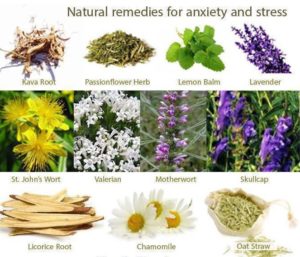
Herbal Teas for stress and anxiety.
Teas of chamomile, basil, marjoram, or rosemary help ease stress. Use about 1 ounce fresh herbs (half of that if dried) for every 2 to 3 cups water.
A tea of elderberry flowers is considered relaxing to the nerves and is sleep inducing, too. (Caution! Avoid if pregnant.)
For insomnia, drink bee balm, which acts as a mild sedative, calming the nerves and aiding sleep. Take an infusion of 2 teaspoons chopped leaves in 1 cup boiling water.
Drink rosemary tea to alleviate melancholy or depression.
Native American tea ingredients for insomnia included lady’s slipper (decocted), yarrow, mullein, hops, and purslane (decocted).
Valerian tea (or capsules) is a natural sleep aide. In infusions, 1 ounce of the roots in 1 pint boiling water is a common recipe, consumed by wineglass as needed. (Caution: Too high a dose may lead to negative side effects!)
Tea for Depression
1 tsp St John’s Wort
1 tsp Gingko Biloba
 Healing Lemon Honey Tea
1 lemon, sliced
2 ginger slices
1 cup or more of local, raw honey
1 12-16 oz glass jar
Slice a lemon and place in a glass jar with the ginger slices and cover in honey. Place in refrigerator for a week to marinate. When ready to drink, boil 8 oz of water and add one tablespoon of honey lemon tea mix to the boiling water. Stir and enjoy. The tea’s hot steam and liquid help clear your head, the lemon clears mucus while giving you some vitamin C and the antiviral, antibacterial honey soothes your throat. This mixture will keep in your refrigerator for months.


by Susan Dean | Feb 3, 2018 | Herbs, Kitchen Recipes, Medicinal Recipes

Herbs to Reduce Stress
Panax ginseng is perhaps one of the most studied medicinal herbs in the world — and might be one of the most widely used. It’s used to promote a sense of well-being and endurance, as an anti-depressant, for memory and calmness, for energy (it’s one of the ingredients in most energy drinks)… and even as an aphrodisiac!

Rhodiola, also called “golden root” — is used mostly to treat stress, depression and fatigue, and is also believed to increase mental performance. Its popularity is growing, in large part because of what an incredibly versatile and relatively inexpensive herb it is.
 Holy Basil comes from the lowlands of India. It’s called “holy” because it is believed by Hindus to be the avatar for the goddess Lakshmi, the goddess of wealthy, wisdom, and light. Holy Basil has a wide variety of uses, stemming back thousands of years. Within the tradition of Ayurvedic medicine, it is used to alleviate stress, headaches, colds, digestive problems and inflammation. Recent studies have also shown that it’s also a powerful antioxidant and may even be able to reduce blood glucose levels and cholesterol.

Ashwagandha is one of the premier restorative herbs in Ayurvedic medicine. It helps stabilize mood and supports optimal physical and emotional well-being. It is known to improve memory, focus and endurance and is believed to reduce the effects of stress on the body.

He shou wu is used in as a tonic to slow down the aging process. It is a restorative herb, calming to the nervous system, and has been shown to promote hair growth, alleviate insomnia, and may aid with learning and memory.
 Schizandra berries promote liver function, support the immune system, relieve anxiety, increase energy, and can improve mental clarity. It’s sometimes called the “five flavors berry,” because it tastes sour, bitter, sweet, salty and acrid all at once.

Reishi Mushroom is used to “calm the spirit.” Reishi, (literally “supernatural” mushrooms) have been used for more than 2,000 years, making them perhaps the oldest mushroom to be used medicinally. They can be helpful to reduce anxiety, alleviate insomnia, combat fatigue, and lower blood pressure.
by Susan Dean | Feb 3, 2018 | Herbs, Kitchen Recipes

Cooking Healthy with Herbs
If you’re not utilizing fresh herbs, you’re missing out. Herbs are nature’s real miracles, tiny taste-enhancers loaded with compounds that add antioxidants and vital minerals to every dish.
Thyme – Two teaspoons of the herb pack in nearly 20 percent of your daily requirement for iron, and it’s also rich in manganese, a mineral that boosts brain function and aids in healthy bone, skin, and cartilage formation.
Parsley – Two tablespoons of fresh parsley will provide more than 150 percent of your daily requirement for vitamin K, which plays an important role in blood clotting, proper bone formation, and liver function. The herb’s odor-beating chlorophyll will freshen your breath. The ancient Greeks utilized parsley as an aphrodisiac.
Lemongrass is a great addition to recipes, and is prized in natural medicine for its ability to relieve fever, muscle cramps, upset stomachs, and headaches. It’s loaded with antioxidants, which helps protect against oxidative stress, one of the leading causes of heart disease and cancer. Lemongrass contains antimicrobial properties that fight E. coli.
Oregano – This potent herb contains up to 20 times more cancer-fighting antioxidants than other herbs, on average, and holds its own against fruit. According to USDA researchers, 1 tablespoon of fresh oregano has the same antioxidant power as an apple. The herb has twice the antioxidant activity of blueberries.
Rosemary – Exposing meat (red or white) to the hot flames of a grill forms heterocyclic amines (HCAs), carcinogenic compounds. Add rosemary, though, and that doesn’t happen, according to researchers from the University of Arkansas, Iowa State University, and Kansas State University, who found that cooking meats with rosemary could lower the levels of HCAs by 60 to 80 percent.
Cilantro contains a compound called dodecenal that is nearly twice as effective at killing salmonella bacteria (commonly found in raw meats) as commercial antibiotics, and they isolated a dozen other antibiotic compounds that were also effective at killing other food borne bacteria. The same compounds were found in coriander, the spice made from seeds of the cilantro plant.
Sage is an antioxidant powerhouse, ranking just behind oregano in terms of antioxidant content, and it boosts your brain power. Research has shown that adults who received low levels of sage oils had better memory and subject recall, based on cognitive tests, than people taking a placebo.
Lavender is great source of calcium and vitamin A, and has a decent amount of iron and vitamin C.
by Susan Dean | Feb 3, 2018 | Herbs, Kitchen Recipes, Medicinal Recipes

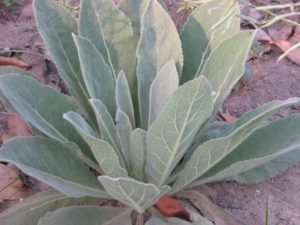
Mullein flowers and leaves are favorite natural remedies. They have been used to combat colds, bronchitis, flu, emphysema and laryngitis among others. As a relaxing expectorant, mullein contains saponines that soothe bronchial spasm to clear out sticky phlegm and thick mucus. As a mild sedative, mullein fights inflamed nerves along the respiratory tract and relieves pain.
Licorice is a demulcent herb containing vegetable gum to lubricate surfaces. It softens and moistens irritated inflamed mucous membranes and reduces spasms that trigger coughing. Licochalcone A, a flavonoid in licorice root, known for its antimicrobial property, promotes anti-inflammatory activities to prevent cancer cell proliferation and improves acute lung injury. The active ingredients in licorice significantly drive down inflammatory cells, lung wet-to-dry ratio and protein leakage.
Gingko Biloba has a protective value on lung injury. Gingko biloba extracts stimulate systematic inflammatory response in lung tissue.
Echinacea is an anti-microbial herb that fights pathogenic microorganism while strengthening the immune system. It works by activating white blood cell production and aggressiveness. A formulation of Echinacea can reverse infection caused by the rhinovirus in human airway epithelium and improves the mucous secretion stimulated by rhinovirus. Echinacea may reduce mucus production during colds.
Rosemary is an anti-microbial herb that has antiseptic, antibacterial and anti-fungal properties. Rosemary has been used for alleviating colds, sore throats, flu, coughs, bronchitis and chest infections. Rosemary contains carnosol which possesses selective toxicity towards cancer cells without destroying non-tumorigenic cells
Eucalyptus oil treats various respiratory conditions including influenza, meningitis, common colds, fever, sore throat, sinusitis and bronchitis. It is known for its powerful antiseptic, expectorant, vermifuge, analgesic, decongestant, anti-inflammatory, antispasmodic and antiviral properties. Eucalyptus is beneficial to the lungs because of cineole. This active ingredient is a powerful expectorant that eases coughs and fights various types of respiratory problems. One study showed that intake of 200 grams of cineole three times a day helped improve the symptoms of viral sinusitis. A study in Spain claimed eucalyptus brings about anti-inflammatory effects because it inhibits the production of nitric oxide. Eucalyptus has antioxidant properties that strengthen the immune system.
Irish Moss is capable of treating a host of respiratory illnesses. It is one of the core ingredients of many prescriptions drugs used to treat bronchitis, and other lung problems. This herb is an excellent source of magnesium, iodine, sodium and calcium and it is noted for its anti-viral properties that help fight against mumps and influenza B viruses. Irish moss has anti-inflammatory, demulcent and expectorant properties. It is used to speed up recuperation from illnesses like pneumonia and tuberculosis. Irish moss abates the symptoms of common colds and flu. In addition to its ability to relieve unproductive dry coughs, Irish moss contains potassium chloride that dissolves catarrhs, responsible for congestion associated with coughs.
Hyssop is known for its anise=like aroma and contains expectorant properties that eliminate congestion of the lungs caused by sinusitis and other viral infections. Hyssop has antioxidant, anti-inflammatory and diaphoretic properties that are known to help reduce fever and get rid of toxins in the body. Hyssop syrup relieves stubborn coughs and other pulmonary infections. Hyssop can treat lung problems which include cough, cold, and asthma, as well as fever, stomach problems, bruises, inflammation, and high blood pressure.
Slippery Elm is known to treat a wide range of health conditions and makes an excellent herb for the entire respiratory system. It’s perfect blend of anti-inflammatory, antiseptic, mucilage, diuretic, emollient, laxative and expectorant properties make it a good herb for the lungs. It is beneficial in treating bronchitis, bleeding from the lungs, coughs, and in soothing mucous membranes. This herb contains anti-allergenic and antiseptic properties making it effective in treating asthma. By softening mucous membranes in the nose, slippery elm offers immense relief to different respiratory conditions.
Coltsfoot is a powerful herb that can be very beneficial to the lungs. Coltsfoot makes an excellent remedy for whooping cough, common colds, and other types of lung ailments. This herb relieves the symptoms of bronchitis, healing the mucous membranes, and is a potent expectorant. Its anti-inflammatory effects enable fast recovery of infected and irritated lungs and the respiratory system in general.
Healthy Lungs Tea
Mullein helps clear mucus from the body, eases sore throats, and helps bronchitis.
Fenugreek is anti-inflammatory, promotes mucus production and clearing, soothes sore throat and eliminates built-up mucus.
Dandelion root is an anti-inflammatory, fights fungus, cleans the respiratory system and clears mucus, stimulates kidneys and liver.
This is a genera health-promoting tea, along with fresh juice (like pineapple-kale-ginger and juice the pineapple’s core). Pineapple juice is beneficial for coughs/mucus in the body too and the bromelain in the core is anti-cancer.
Drink in the mornings to promote health, or a few times throughout the day if you have a cold.
6 parts mullein leaf
1 part fenugreek seed
1 part dandelion root
Combine all herbs in a glass jar and shake to combine. Use 1 tbsp. (for tea) or a handful (1/2 c. or so, for infusion) and add to 1 – 2 c. boiling water. Let it steep 10 – 20 minutes. Strain it, then sweeten lightly with raw honey or drink it straight.
by Susan Dean | Feb 3, 2018 | Herbs, Kitchen Recipes
 Parsley, Tarragon, and Lemon Thyme Chicken
1Tbl chopped parsley
2 tsp dried tarragon
2 stalks of lemon thyme leaves
1 tsp grated lemon zest
1 tsp sea salt1 tsp ground black pepper
Mix all together, sprinkle on chicken, dot with butter. I also like to mix everything in the butter good and then spread it on before baking.
Fennel and Thyme Rub for Fish
½ T Parsley
2 tsp dried fennel or dill seeds crushed
2 stalks of thyme leaves
1 T lemon juice
¼ tsp ground white pepper
Oregano, Citrus, Rosemary for Lamb
1 tsp chopped oregano
2 tsp lemon zest
small garlic clove crushed
½ tsp ground cumin
1 tsp chopped rosemary
1 T chopped cilantro
salt and pepper
Sage and Parsley Coating for Poultry
2 cloves of garlic smashed
sea salt
8 chopped sage leaves
2 T chopped parsley
1 tsp thyme
1 tsp winter savory
t tsp peppercorns
1 ½ oz soft butter
2 T olive oil
Mash and crush together the dry ingredients then add to butter and oil. Coat the poultry and cover loosely with plastic wrap to chill for 30 minutes before baking.
Cilantro and Mint Coating for Lamb
2 garlic cloves
1 tsp cumin seeds
½ tsp ground cumin
½ tsp ground coriander
T chopped cilantro
1 tsp dried mint
1 tsp lemon zest
3 T olive oil
2 tsp rosemary
sea salt and ground pepper
Blend in a processor or blender ( stir the rosemary in ) Spoon onto lamb and cover the surface. Cover and chill 30 minutes before cooking.
Horseradish and Bay Leaf Recipe for Beef
1 clove of garlic
1 tsp peppercorns
1 tsp mustard seeds
2 tsp grated horseradish
2 finely chopped bay leaves
1 T chopped parsley
1 T olive oil
2 T soft butter
sea salt
Mix in processor, smooth over meat, cover and chill 30 minutes before cooking


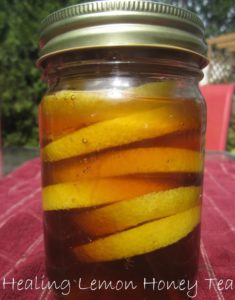 Healing Lemon Honey Tea


 Holy Basil comes from the lowlands of India. It’s called “holy” because it is believed by Hindus to be the avatar for the goddess Lakshmi, the goddess of wealthy, wisdom, and light. Holy Basil has a wide variety of uses, stemming back thousands of years. Within the tradition of Ayurvedic medicine, it is used to alleviate stress, headaches, colds, digestive problems and inflammation. Recent studies have also shown that it’s also a powerful antioxidant and may even be able to reduce blood glucose levels and cholesterol.

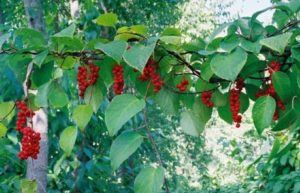 Schizandra berries promote liver function, support the immune system, relieve anxiety, increase energy, and can improve mental clarity. It’s sometimes called the “five flavors berry,” because it tastes sour, bitter, sweet, salty and acrid all at once.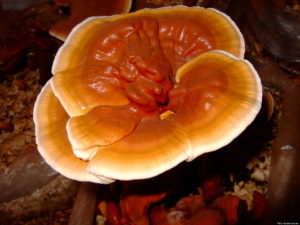


 Parsley, Tarragon, and Lemon Thyme Chicken