by Susan Dean | Feb 3, 2018 | Herbs

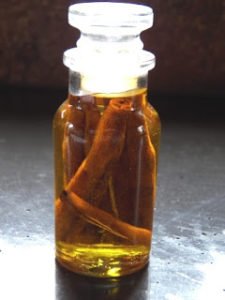
Cinnamon oil is a widely used ingredient for making apple butter, candied apples, candied popcorn, and more. Used in chocolate icings, ice cream and baking, the intense cinnamon flavor adds a delicious, flavorful twist. While the stick and powdered form of cinnamon is obtained from the bark, cinnamon oil comes from both the bark and leaves. The oil is intensely flavorful. Use sparingly in recipes calling for cinnamon flavor. For a less intense cinnamon oil, try making some on your own. Merely place several cinnamon sticks in a small glass jar. Cover the sticks with olive oil. Close, and leave the jar in a dark, cool space for 2 weeks.CLOVE – Oil of Clove is 60 to 90 percent eugenol, which is a potent pain deadening anti-microbial. Clove has earned the official
endorsement of the FDA as an effective stopgap measure for tooth pain. Clove also helps lower blood sugar by helping the body
use insulin more effectively. Cloves were also found in one study to speed healing of dreaded cold sores.
by Susan Dean | Feb 3, 2018 | Herbs

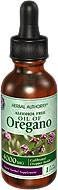
Oil of oregano is a well-known folk remedy used to kill bacteria, viruses, fungus and yeast. The oil derives much of its healing properties from carvacrol and thymol, two naturally occurring compounds. Carvacrol is a powerful antimicrobial that has been shown effective in fighting staphylococcus bacteria. Thymol is naturally antiseptic and the main ingredient in many mouthwashes. Oil of oregano contains calcium, magnesium, zinc, iron, potassium, copper, boron, manganese, vitamins A and C, and niacin. The health benefits only come from wild Mediterranean oregano–not the varieties sold dried on most store shelves. The most therapeutic benefits come from two plant varieties of wild oregano: thymus capitatus and origanum vulgare. It can be ingested and applied topically.
1. Clear sinuses – Unclog sinuses with a facial steam made using oil of oregano. Boil three to four cups of water in a pot, remove from heat after the water boils. Add several drops of oil of oregano to the water. Take the lid off the pot to let the steam rise. Place a towel around your head and over the pot and slowly inhale the steam. The oil of oregano will help kill any bacteria in the sinuses and lungs. You also add ½ cup of vinegar for another antibacterial boost, although it won’t smell so great. An oil of oregano facial steam may help with allergies, as oil of oregano is a natural antihistamine.
2. Reduce infections – Oil of oregano may be as good at reducing infections as traditional antibiotics, like streptomycin, penicillin and
vacnomycin. Two studies have shown that oil of oregano may be as effective of a treatment against staphylococcus bacteria as common antibiotics.
3. Boost your immune system – Taking oil of oregano as either capsules or liquid–may help lessen symptoms of colds and get you feeling better faster. The natural antiviral and antibacterial properties in oil of oregano can relieve a sore throat. Gargle a mixture of 5-6 drops oil of oregano with a glass of water the moment you feel a sore throat coming on.
4. Get rid of fungus – Oil of oregano is a powerful antifungal herb that can be used to treat fungus conditions like athletes foot and yeast infections. It was found to be more effective than other natural supplements in cases of yeast infections resistant to the conventional drug fluconazole (Diflucan), according to research published in the Canadian Journal of Microbiology.
5. Antioxidant powers – Oregano is loaded with antioxidants. A study by the U.S. Department of Agriculture found that oregano has more than 42 times the antioxidant activity than apples and 12 times more than oranges. You can take oregano oil in pill or liquid form for a boost of antioxidants.
by Susan Dean | Feb 3, 2018 | Herbs
 Make your own essential oils from mint, lavender, thyme, rosemary or an herb you find especially delicious-smelling,
follow this simple recipe:
Make your own essential oils from mint, lavender, thyme, rosemary or an herb you find especially delicious-smelling,
follow this simple recipe:
Chop your herbs.
Pack herbs into an airtight container. Heat vegetable oil, olive oil, or a nut oil on the stove. Remove when it’s hot to the touch.
Pour the oil over the herbs. When it’s cooled, store the mixture in a dark place for at least a week. Strain the liquid into a spray bottle, and you’ve got essential oil!
by Susan Dean | Feb 3, 2018 | Herbs

Herbal Activities with Kids
Many prescription medicines contain drugs derived from natural herbs. Many perfumes and fragrances are made from the oils in herbs. Herbs have been used for at least 5,000 years by all cultures for cooking, medicine, crafts, and cosmetics. Many herbs are easy to grow and they have rich histories and many uses that provide an enticing, multi-sensory theme for learning science concepts and skills, studying other cultures, and connecting topics across the curriculum.
ACTIVITIES: WHAT MAKES AN HERB AN HERB?
“Herb” refers to any plant or plant part valued for its medicinal, savory, or aromatic qualities. In many cases, oils and the compounds that cause healing are found in herbs. Herbs give us delicious flavors and aromas.
Compare plants
Have students taste six edible leaves of basil, rosemary, thyme, oregano, chives, and parsley and describe the tastes of each.
Herbs contain oils that create the odors and flavors we experience. After smelling several herbs, have students guess how such odors might help the plants survive in their environment? (the odors can both attract helpful insects and repel “pests.”)
GROWING CLASSROOM HERBS – Many herbs can be easily grown from seeds, cuttings, or plants.
Seeds – Plant herb seeds in the same soilless potting mix you use for other indoor plants, or plant them in a mixture of 1/3 sand, 1/3 peat moss, and 1/3 soil. Most herb seeds are small, and should be planted no more than 1/4″ deep in moist soil or sprinkled on the top of soil and covered lightly with potting mix. You can have children mix tiny seeds with a small amount of sand to make them easier to sprinkle over the soil. Mist the soil, and cover containers with plastic to keep seeds moist until they germinate. To give herb plants room to grow to maturity, thin seedlings to one per 4″ container or 2 plants per 6″ container.
Cuttings – Some herbs are quicker and easier to start from cuttings than from seeds. To take cuttings, snip healthy stems 3-4 inches from the growing tip. Remove leaves from the lower half of the cutting, and plant the cutting in a soilless mix. Water gently and cover the container with a plastic bag until new top growth appears.
MOTHERS’ DAY HERB BOOKS – Have students adopt an herb to grow. Students can read seed package directions to see how to plant and care for their herbs, make ongoing observations, and drawings, and research history, folklore, medicinal, and culinary uses. Have students go through recipe books to find recipes with their particular herb. Each student can create a book to include drawings, observations, research reports, and a variety of recipes for his or her herb.
There are endless opportunities to tie language arts, math, social studies, science skills, art, and more in with an herb unit. Reflect on some of the varied uses, past and present, for herbs and consider how you might incorporate them into engaging cross-disciplinary activities.
Explore the use of herbs in different cultures and cook an international meal.
Create a class cookbook of your favorite herb recipes.
Make aromatic herbal “sachets” or catnip toys from dried herbs in fabric pouches.
Research and practice some herbal dyeing in your classroom. Herbs that are good for dyeing include: catnip, marigolds, marjoram, morning glories, parsley, rosemary, sage, and zinnias.
Have a “smell test” using aromatic herbs to see if students can identify them.
Find out about the culinary, cosmetic, and craft uses of herbs by people in a time period or culture you’re studying. For example: Pilgrims, Pioneer Days, Native American Life, Ancient Greece, the Middle Ages, the Victorian Era, etc.
Herbs have been used for thousands of years to perfume our bodies and homes. They’re used to cleanse, protect, and invigorate our skin and hair. Have students survey soaps, shampoo, cosmetics, lotions in stores or in the house to identify herbal ingredients.
If the opportunity arises, devise a “fair test” to compare the effects of the juices of the aloe plant on burns to those of a commercially made lotion.
Interview a pharmacist to find out which medicines used today are made from plants.
by Susan Dean | Feb 3, 2018 | Herbs

Smudging and Blessing Herbs
Sage is for healing. The smoke is used to bless, cleanse and heal the person or object being smudged. Sage is used to ‘wash off’ the outside world when one enters ceremony or other sacred space. Objects are likewise washed off with sage medicine smoke to rid them of unwanted influences. The plants that are called sage can come from very different families of plants. True sages are in the genus of Salvia; this includes Salvia Officinalis (garden sage) and Salvia Apiana (White Sage), also called California White Sage and Sacred Sage. Many of the herbs called sage come from a completely different family of plants, the Asteracea family. This family brings us the genus of Artemisia from which come New Mexico Sage (Artemisia tridentada), and the sage from the Dakotas (Artemisia ludoviciana), also called Grey sage, Prairie sage, Dakota sage, Lakota Sage and mistakenly sometimes called White sage. All of these sages (Salvia and Artemisia) are used for healing and cleansing. More can be learned from the book Sacred Sage, How It Heals.
Cedar is a medicine of protection. Cedar trees are very old, wise and powerful spirits. Cedar is often used to cleanse a home or apartment when first moving in, inviting unwanted spirits to leave and protecting a person, place or object from unwanted influences. Cedar is used as a name for a number of different genuses of trees and shrubs. The primary ones are Cedrus, Thuja, Libdocedrus and Juniperus.
Junipers are not true Cedars but are used as such by many people.
Sweetgrass is also called Seneca grass, holy grass and vanilla grass. This special herb’s sweet vanilla-like scent is the breath of the Earth mother, bringing the blessing of Mother Earth’s love. Sweetgrass is burned to remind us of the essence of the feminine and that the earth provides us with everything we need. Sweetgrass can be unbraided or trimmed with a scissors into small pieces and sprinkled on hot Charcoal Tablets. Allow the sacred smoke that follows to wash over the subject of the blessing.
Lavender is often used for invitation of the spirits. The name may be derived from the Latin lavare (to wash) or livendula (meaning bluish). In ancient times lavender was an important herb used in mummification. There is a legend that the clothing of baby Jesus was laid upon a lavender bush and acquired the fragrance. Some Christians still regard the scent of lavender as a safeguard against evil. Burning
CopalCopal is tree sap from Mexico similar to Frankincense. When burned it has a crisp, clean, sharp scent that is almost citrus-like. Copal is sacred to the native peoples of Mexico, as it is a gift ‘pleasing to the gods.’ Because copal is the blood of trees, it is offered to honor the enormous gift given to us by all of the tree people of our planet.
Frankincense and Myrrh were considered more valuable than gold. Used to embalm the bodies of the Egyptian Pharaohs, this tree resin is considered to cleanse and protect the soul. Frankincense is still used in religious rituals. It is said to ease depression and promote clairvoyance.
Myrrh tree resin is said to help one maintain a state of enlightenment, connect one to the spirit of youth, and clear the path of debris that stands in the way of one’s truth.
Smudging Feather – It is traditional to use a bird’s feather to brush the smoke over the person or object being blessed. It is important to use the underside of the feather to wash the smoke over the object of blessing. It is the underside of the bird and its wings that face the Mother Earth as it flies and it is this surface of the feather that offers the blessing medicine of the bird.
Other Important Herbs
Mullein has been used in smoking blends for the sacred pipe, also used as a tea for lung inflammation. Mullein is also called Yerba del lobo, velvet plant and miner’s candlestick.
Red Willow Bark is another traditional ingredient for smoking in the pipe. It is not really a willow, but a dogwood. Sioux people call this bark Chanshasha.
Osha Root is one of the roots called Bear Root. This plant grows mainly in the Rocky mountains and is used to invite the bear spirit medicine. Osha is an important medicine for people from northern Mexico to Canada, often used for infections.
Uva Ursi, called Kinnikinnik by many people, is another plant used in pipe smoking mixtures. Uva ursi is commonly used as tea for bladder infections.