by Susan Dean | Feb 1, 2018 | Self Science
Think Green!

7 Steps to a Green School
- Establish A Green Team or Eco-Committee
The Green Team is the heart of the Green Schools process by organizing and directing activities. Consisting of students, teachers, custodians, facilities managers, parents and school board members. The Green Team is democratic and can be run by the students themselves. Whatever type of school or age group, student involvement in the committee is essential. The group can be responsible for coordinating the greening activities, making recommendations to relevant school decision-makers, and facilitating communication among and actions by the whole school community.
2. Adopt An Environmental Vision Statement or Planet Pledge
Create your own vision statement, setting out what the students and/or school community are striving to achieve. The Environmental Vision Statement is displayed in places within the school and recognized by the students and community as a statement of beliefs and intents. This statement is often in the words of students, and can be an inspiring classroom, art, or school-wide assembly project. Such statements can be accompanied by a resolution from the school board, Parent Teacher Association, the Green Team, or other school bodies.
3. Conduct A School Environmental Survey
Identify priorities for action. Begin by conducting a review of the school’s environmental impact. Students are involved in assessing the level of waste from school lunch, checking the building for inefficiencies such as leaky taps, or electrical equipment left on overnight. The school and the Green Team work with local organizations, businesses, or other resource people during the review. These audits can be fun and help educate the school community about the health and environmental impacts of the school.
4. Create A Green School Action Plan
- Monitor and Evaluate Progress
Use the results of your environmental survey to identify priorities in the key areas where you want to make change and create an action plan. Set realistic and achievable targets to improve environmental performance at the school so kids and adults can take pride in tangible accomplishments in the short term. It is important to set long-term, inspiring and challenging targets to move beyond the status quo and foster greater environmental improvements. The action plan could involve and promote a school recycling program; eco-friendly, non-toxic cleaning materials; carpooling; energy conservation like turning off lights, computer monitors and printers; or a school garden.
The Green Team, students, or other school community members can assist with monitoring and evaluating progress on the priorities in the action plan that can involve conducting an annual environmental audit to monitor levels of waste, recycling, energy use, purchases of environmentally-preferable products, and financial savings and/or costs. Use these ecological footprint tools to ensure that progress towards the goals and targets is made and that the action plan is modified, if necessary. It ensures that environmental education is an on-going process in the school, since students can be responsible for the annual audits. The basic data collected over time can show the waste, pollution, and energy avoided – big motivators for people to continue the efforts.
6. Integrate Greening into the Curriculum
Greening activities can be integrated into existing curricula in science, art, humanities, math, language arts, or electives. Using the school as a hands-on laboratory offers opportunities for real-world problem-solving. Students can undertake study of themes such as energy, water, forests, toxic pollution, and waste. The whole school should be involved in practical initiatives like saving water, recycling materials and saving energy. Outdoor education, and time spent in nature locally is a critical component of a hands-on, place-based, experiential education. Where environmental education is not part of the regular curriculum, recommendations can be made by the Green Team as to how these themes can be incorporated.
7. Inform, Involve, and Celebrate!
Honor, celebrating, and communicating about achievements are critical components of a Green School! Greening programs often unify the whole school and strengthen community relations. Your might consider partnering with external organizations from the community to benefit from their experience and expertise. In some schools, environmental consultants have offered to take part in the environmental review process. Many local government agencies and utilities offer free advice on energy, recycling, and hazardous waste management. Schools should consider the wider community when preparing action plans – for example, schools could offer to be the local recycling point or to be a drop-off for Community Supported Agriculture boxes. Some schools get involved with clean-up or habitat restoration at nearby parks. A communication and publicity program keeps the school and the community informed of progress through classroom displays, school assemblies, newsletters, or other press coverage. Communicating is key to spreading success and inspiring more actions. Annual Earth Day celebrations offer an opportunity to showcase actions taken by the school and bring together the school and wider community.
by Susan Dean | Feb 1, 2018 | Earth Science
 Jeff Cox
We Are Water! Plants and animals are mostly made of water. I hold up the large paper mache molecule and ask children what it looks like. They usually guess Mickey Mouse! Water is called the “Mickey Mouse Molecule” because that’s what the molecule looks like. H2O is 2 hydrogen ears and oxygen head.
Water is the universal solvent. It is tasteless, colorless, odorless and unique. It is the only element on the earth found in all three forms – liquid, solid, and gas. Many things dissolves in water and it flows through everything that is alive. It is unique because when it freezes it grows bigger when most things shrink. The most important things we must have to stay alive are oxygen from the air and water to drink.
Water cycles. It evaporates into the air, condenses into clouds and precipitates out as rain, snow, sleet, hail, fog and dew. The sun is the driving force. Teach the water cycle song
This is a good time to talk about temperature and how molecules respond. When they are cold they pack closely and jiggle. When they heat up they start to slide around melting and then begin to move faster when they get hot and jump into the air. Children enjoy acting this out.
Examine pictures of clouds and lightning. Lightening is electrical flashes between the clouds and the earth. Thunder is made when the heat from the electrical flash makes the air expand quickly making the sound of thunder. You can illustrate this by popping a bag of air. The quick expansion of air makes the pop.
Talk about safety. Lightening is dangerous and they should take cover in a safe place like a building or car during a storm. Children know that it is very important for them to drink water and animals and plants are mostly made of water.
Materials: Hand drum, Mickey Mouse Molecule representing water, Hand out of the water cycle, Pictures of water, ice and clouds, water cycle chart, paper bag, misc. materials for doing other water experiments you choose.
Activities: Water cycle song, Act out the effect of temperature on molecules of water. Put a drop of food coloring in a bottle of water and watch the molecules disperse. Dissolve different substances in water ex. salt or sugar. Check buoyancy of different objects in water, a magnet goes through water, light goes through water. Check surface tension by floating a paper clip on the surface of a glass of water. , check the capillary action by putting the tip of a paper towel in a glass of water. Show examples of erosion, evaporation, condensation. Show difference in density of fresh and salt water with an egg. The egg floats in salt water. A straw appears bent in water. Explore the qualities of water through experiments, river books, rain sticks, and crystals.
Ice Halos Joshua Thomas, a photographer in Red River, New Mexico, was lucky enough to catch rainbow-like arcs and pillars of light blazing over a snowy landscape last week. This is caused by the collision of light and ice crystals high in Earth’s atmosphere.
Those frozen specks of water refract light in myriad ways to produce arcs, halos, and pillars of light. Air temperatures and the shape and arrangement of ice crystals fine-tune the phenomena that we see.
In the center of the image is a bright, vertical mass called a sun pillar. Cooler air temperatures boost the brightness of these phenomena. The circle of light ringing the pillar is a 22-degree halo. These halos are fairly common and are so named because they occur at a 22-degree angle from the sun. They’re created hexagonal ice crystals.
The glaring blob of light to the right of the pillar is called a sundog, the result of ice crystals that are only partly aligned with each other. Sundogs are fairly common.
The delicate strands of light winging out from the top of the sun pillar are tangent arcs. They’re formed when tube-shaped hexagonal ice crystals are oriented on their sides. The halos and arcs aren’t a harbinger of dangerous weather events.

“One of the most soothing sounds of nature is the laughter of falling water.”
WATER QUOTES:
When the well is dry we know the worth of water. Benjamin Franklin
The frog does not drink up the pond in which he lives. American Indian
Water has become a highly precious resource. There are some places where a barrel of water costs more than a barrel of oil. Lord Axworthy
Throughout the history of literature, the guy that poisons the well has been the worst of all villains.
“A lake is the landscape’s most beautiful and expressive feature. It is earth’s eye; looking into which the beholder measures the depth of his own nature.” Thoreau
The noblest of the elements is water. Pindar
“Water is the only drink for a wise man.” Thoreau
“When you drink the water, remember the spring.” Chinese proverb
“The cycle of life is intricately tied up with the cycle of water.” Jacques Cousteau
Frost Flowers – It is as beautiful as it is rare. A frost flower is created on autumn or early winter mornings when ice in extremely thin layers is pushed out from the stems of plants or occasionally wood. This extrusion creates wonderful patterns that curl and fold into gorgeous frozen petioles giving this phenomenon both its name and its appearance.


Lake Hiller
Blood Falls

by Susan Dean | Feb 1, 2018 | Health

I think about water a lot . . . the pollution of water, people who don’t have access to clean water, the controlling and re-channeling of water, and acid rain. I love water and grew up drinking Glenn Springs mineral water. You don’t hear of that today. Work together to see that our water supply is clean by not pouring medicines into it or putting poisons and toxins in it. It will all come back to us. We are water!
SAFE DRINKING WATER
There is evidence that the United States federal drinking water regulations do not ensure safe water, as some of the regulations have not been updated with more recent science. Dr. Peter W. Preuss, who became the head of the U.S. EPA’s division analyzing environmental risks in 2004, has been “particularly concerned”, and has faced controversy in studies which suggest that regulations against certain chemicals should be tightened.
In 2010 the EPA showed that 54 active pharmaceutical ingredients and 10 metabolites had been found in treated drinking water. An earlier study from 2005 by the EPA and the Geographical Survey states that 40% of water was contaminated with nonprescription pharmaceuticals, and it has been reported that of the 8 of the 12 most commonly occurring chemicals in drinking water are estrogenic hormones. Of the pharmaceutical components found in drinking water, the EPA only regulates lindane and perchlorate. In 2009, the EPA did announce another 13 chemicals, hormones, and antibiotics that could potentially be regulated. The decision on whether or not they are sufficiently harmful to be regulated may not be decided upon until 2012 as it takes time for testing.
Common Contaminants in Drinking Water:
Chlorine: Drinking water owes its safety largely to the addition of chlorine, which is used to kill the disease-causing bacteria and viruses found in untreated water. It also reacts with naturally occurring materials in water to form disinfection byproducts. Prolonged exposure to these byproducts increases your risk of liver damage and cancer.
Flouride: In many areas, it is added to drinking water to promote dental health. Research has shown that prolonged exposure to excess flouride (more than the standard level of 4mg/L) may result in bone disease. For children under age nine, whose teeth are still developing, the EPA flouride standard is 2 mg/L.
Lead: Between the water treatment plant and your faucet, water may pass through corroded plumbing that can cause lead to leach into it. Children and pregnant women are most susceptible to lead-related health risks such as neurological damage, kidney and liver problems, and developmental delays in children.
Radon: Although regulated by public water utilities, radon may accumulate in underground water sources, a concern for those on private wells. Exposure to radon in drinking water and by inhaling the gas as it is released from the water during showers, washing, and laundering increases your cancer risk.
Volatile Organic Compounds: VOC’s are commonly found in fuels, solvents, cosmetics, drugs, and dry cleaning solutions. They get into drinking water through improper industrial discharges that seep into ground water, a concern to those with wells. Health effects vary from eye, respiratory, and skin irritation to risk of cancer depending on the VOC and length of exposure.
Pharmaceuticals: Increasingly, these compounds are appearing in trace amounts in drinking water and are currently under study by the EPA to assess the long-term side effects as well as what treatment options may remove them from water supplies.
Nitrates: Run-off and improper disposal of synthetic fertilizers dump nitrates into the water system. They pose immediate threats to newborns because they interfere with the oxygen-carrying capacity of the child’s blood.
The EPA provides a comprehensive list of commonly found contaminants and evaluates water supplies for many major cities. Access this information and more at www.epa.gov/safewater. If you have specific questions related to water quality, you can also contact The Safe Drinking Water Hotline at 800.426.4791 for assistance.
Home Protection
You can make your drinking water purer with a home filtration system. Your options include “point of entry” filters that treat water as it enters your home and “point of use” filters that treat water right before you drink it.
- Carbon Filter:
Removes: Chlorine, disinfection byproducts, pesticides, radon. Reduces heavy metals including copper, lead and mercury. Be certain to check model as all carbon filters do not perform the same filtration benefits. Style Options: Countertop Pitchers, faucet filters and under-the-sink units. Advantages: Generally low in cost and they retain minerals in water, which are beneficial to health.
- Distillation:
Removes: Bacteria and heavy metals such as cadmium, chromium, copper, lead and mercury, as well as arsenic, barium, flouride, selenium, and sodium.
Style Options: Countertop or whole house point-of-entry units; can be combined with a carbon filter. Without a carbon filter addition, they do not remove chlorine, chlorine byproducts or VOCs. The process removes all minerals, leaving behind acidic water.
- Reverse Osmosis:
Removes: Most disease-causing bacteria, flouride, nitrates, asbestos, metals including lead.
Style Options: Under the counter point-of-use
Drawbacks: Without carbon filter, RO filters do not remove VOCs or chlorine. Removes all minerals resulting in acidic water.
Clean Water Practices
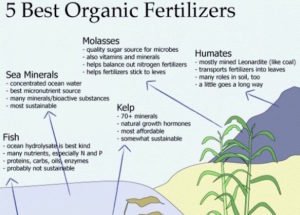
Use organic fertilizers on lawns.
Dispose of chemicals properly
Use organic pest control
Stop using plastic
Pick up plastics on shorelines
Plant native plants that are less thirsty for water
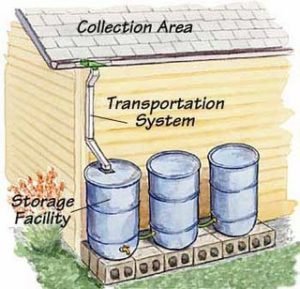
Install rain barrels for watering plants
Wash the car with a bucket and soap, not a hose
Leave grass clippings on lawns
Use a brush to sweep driveways, not a hose
Use non-toxic cleaning products so toxins don’t go into our water supply or soil.
Turn prescription drugs in on collection dates so they don’t enter our water.

by Susan Dean | Feb 1, 2018 | Self Science

Outdoor air pollution is a major environmental health problem affecting. By reducing air pollution levels, we reduce the burden of stroke, heart disease, lung cancer, and chronic and acute respiratory diseases, including asthma. The lower the levels of air pollution, the better the cardiovascular and respiratory health of the population.
The World Health Organization Air quality guidelines” provide an assessment of health effects of air pollution and thresholds for health-harmful pollution levels.
In 2014, 92% of the world population lived in places where the air quality guidelines were not met. Outdoor air pollution in both cities and rural areas was estimated to cause 3 million premature deaths worldwide in 2012.
Policies and investments supporting cleaner transport, energy-efficient housing, power generation, industry and better municipal waste management would reduce key sources of urban outdoor air pollution.
Reducing outdoor emissions from household coal and biomass energy systems, agricultural waste incineration, forest fires and certain agro-forestry activities (e.g. charcoal production) would reduce key rural and peri-urban air pollution sources.
Reducing outdoor air pollution reduces emissions of CO2 and short-lived climate pollutants like black carbon particles and methane, thus contributing to the near- and long-term mitigation of climate change.
Indoor smoke is a serious health risk for some 3 billion people who cook and heat their homes with biomass fuels and coal.
Some lung cancer deaths could have been averted by improving ambient air quality, or by reducing tobacco smoking.
A 2013 assessment by WHO’s International Agency for Research on Cancer (IARC) found that outdoor air pollution is carcinogenic to humans, with the particulate matter component of air pollution most closely associated with increased cancer incidence, especially lung cancer. An association has been observed between outdoor air pollution and increase in cancer of the urinary tract/bladder.
Exposure to small particulate matter causes cardiovascular and respiratory disease, and cancers.
Most sources of outdoor air pollution are beyond the control of individuals and demand action by cities and national and international policymakers in transport, energy waste management, buildings and agriculture.
There are many examples of successful policies in transport, urban planning, power generation and industry that reduce air pollution:
Industry:
Clean technologies that reduce industrial smokestack emissions; improved management of urban and agricultural waste, including capture of methane gas emitted from waste sites as an alternative to incineration (for use as biogas).
Transport:
Shifting to clean modes of power generation; prioritizing rapid urban transit, walking and cycling networks and rail interurban freight and passenger travel, and shifting to cleaner heavy duty diesel vehicles and low-emissions vehicles and fuels, including fuels with reduced sulfur content.
Urban planning:
Improving the energy efficiency of buildings and making cities more compact, and energy efficient.
Power generation:
Increased use of low-emissions fuels and renewable combustion-free power sources (like solar, wind or hydropower); co-generation of heat and power; and distributed energy generation ( mini-grids and rooftop solar power generation).
Municipal and Agricultural waste management:
Strategies for waste reduction, waste separation, recycling and reuse or waste reprocessing and improved methods of biological waste management such as anaerobic waste digestion to produce biogas and low cost alternatives to the open incineration of solid waste. Where incineration is unavoidable, then combustion technologies with strict emission controls are critical.
The “WHO Air quality guidelines” indicate that by reducing particulate matter (PM10) pollution from 70 to 20 micrograms per cubic metre (μg/m), we can cut air pollution-related deaths by around 15%. The Guidelines apply worldwide and are based on expert evaluation of current scientific evidence for:
particulate matter (PM)
ozone (O3)
nitrogen dioxide (NO2) and
sulfur dioxide (SO2), in all WHO regions.
Particulate matter
Definition and principal sources
Particulate Matter affects more people than any other pollutant. The major components of PM are sulfate, nitrates, ammonia, sodium chloride, black carbon, mineral dust and water. It consists of a complex mixture of solid and liquid particles of organic and inorganic substances suspended in the air. Air quality measurements are typically reported in terms of daily or annual mean concentrations of PM10 particles per cubic meter of air volume (m3). The most health-damaging particles are those with a diameter of 10 microns or less, (≤ PM10), which can penetrate and lodge deep inside the lungs. Chronic exposure to particles contributes to the risk of developing cardiovascular and respiratory diseases, as well as of lung cancer.
Health effects
There is a close, quantitative relationship between exposure to high concentrations of small particulates and increased mortality or morbidity, daily and over time. Small particulate pollution has health impacts even at very low concentrations – indeed no threshold has been identified below which no damage to health is observed.
The effects of PM on health occur at levels of exposure currently being experienced by many people both in urban and rural areas and in developed and developing countries – although exposures in many fast-developing cities today are often far higher than in developed cities of comparable size.
“WHO Air Quality Guidelines” estimate that reducing annual average particulate matter concentrations common in many developing cities, to the guideline could reduce air pollution-related deaths by around 15%.
OZONE
There are serious risks to health from exposure to ozone (O3), nitrogen dioxide (NO2) and sulfur dioxide (SO2). As with particulate matter, concentrations are often highest in the urban areas of low and middle – income countries. Ozone is a major factor in asthma morbidity and mortality, while nitrogen dioxide and sulfur dioxide play a role in asthma, bronchial symptoms, lung inflammation and reduced lung function.
Ozone at ground level – not to be confused with the ozone layer in the upper atmosphere – is one of the major constituents of photochemical smog. It is formed by the reaction with sunlight (photochemical reaction) of pollutants such as nitrogen oxides (NOx) from vehicle and industry emissions and volatile organic compounds (VOCs) emitted by vehicles, solvents and industry. As a result, the highest levels of ozone pollution occur during periods of sunny weather.
Excessive ozone in the air can have a marked effect on human health. It can cause breathing problems, trigger asthma, reduce lung function and cause lung diseases. In Europe it is one of the air pollutants of most concern.
Nitrogen dioxide (NO2)
As an air pollutant, NO2 has several correlated activities. At short-term concentrations, it is a toxic gas which causes significant inflammation of the airways.
NO2 is the main source of nitrate aerosols, which form an important fraction of ozone. The major sources of anthropogenic emissions of NO2 are combustion processes (heating, power generation, and engines in vehicles and ships).
Epidemiological studies have shown that symptoms of bronchitis in asthmatic children increase in association with long-term exposure to NO2. Reduced lung function growth is linked to NO2 at concentrations currently measured in cities of Europe and North America.
Sulfur dioxide (SO2)
SO2 is a colorless gas with a sharp odor. It is produced from burning of fossil fuels (coal and oil) and smelting mineral ores that contain sulfur. The main anthropogenic source of SO2 is the burning of sulfur-containing fossil fuels for domestic heating, power generation and motor vehicles.
Studies indicate that a proportion of people with asthma experience changes in pulmonary function and respiratory symptoms after periods of exposure to SO2 as short as 10 minutes. Health effects are now known to be associated with much lower levels of SO2 than previously believed. Reducing SO2 concentrations is likely to decrease exposure to co-pollutants.
SO2 can affect the respiratory system and the functions of the lungs, and causes irritation of the eyes. Inflammation of the respiratory tract causes coughing, mucus secretion, aggravation of asthma and chronic bronchitis and makes people more prone to infections of the respiratory tract. Hospital admissions for cardiac disease and mortality increase on days with higher SO2 levels. When SO2 combines with water, it forms sulfuric acid; this is the main component of acid rain, a cause of deforestation.
Indoor Air Pollution and Health
Understanding and controlling common pollutants indoors can help reduce your risk of indoor health concerns.
Some effects may show up after a single exposure or repeated exposures to a pollutant. These include irritation of the eyes, nose, and throat, headaches, dizziness, and fatigue. Such immediate effects are usually short-term and treatable.
It is best to eliminate the person’s exposure to the source of the pollution, if it can be identified. After exposure to some indoor air pollutants, symptoms of diseases such as asthma may show up or worsened.
Immediate reactions to indoor air pollutants depends on age and preexisting medical conditions. Sometimes whether a person reacts to a pollutant depends on individual sensitivity. Some people can become sensitized to biological or chemical pollutants after repeated or high level exposures. Some effects may be made worse by an inadequate supply of outdoor air coming indoors or from the heating, cooling or humidity conditions prevalent indoors or air filters left unchanged..
Health effects may show up years after exposure has occurred or after long or repeated periods of exposure. These effects, which include respiratory diseases, heart disease and cancer, can be severely debilitating or fatal. It is prudent to try to improve the indoor air quality in your home even if symptoms are not noticeable.
While pollutants commonly found in indoor air can cause many harmful effects, there is considerable uncertainty about what concentrations or periods of exposure are necessary to produce specific health problems. People also react very differently to exposure to indoor air pollutants.
In developing countries, indoor exposure to pollutants from the household combustion of solid fuels on open fires or traditional stoves increases the risk of acute lower respiratory infections and associated mortality among young children; indoor air pollution from solid fuel use is also a major risk factor for cardiovascular disease, chronic obstructive pulmonary disease and lung cancer among adults.
WHO Member States recently adopted a resolution and a road map for an enhanced global response to the adverse health effects of air pollution.
WHO’s “Health in the green economy” series is assessing the health co-benefits of climate mitigation and energy efficient measures that reduce air pollution from housing, transport, and other key economic sectors.
WHO’s work on “Measuring health gains from sustainable development” has proposed air pollution indicators as a marker of progress for development goals related to sustainable development in cities and the energy sector.
by Susan Dean | Jan 28, 2018 | Gardening
Handy Garden Applications LeafSnap
Using visual recognition software, Leafsnap can identify trees from a photo of their leaves alone. This garden app is expanding to cover the entire US and Canada. Available for IOS only. Free for iphones
MyGardenAnswers is the #1 downloaded gardening app because it helps gardeners solve dilemmas. Don’t know what a plant is? Point and click with this app, and now you do. Need help with a pest? Get expert advice. Like “Shazam” for plants! Available for IOS and Android.
Mistakes with Succulents
1. Placing Them In A Poorly Lit Area
2. Not Watering Them Enough
3. Using A Standard Potting Soil – Succulents are designed to withstand one of the most extreme environments on planet earth. Change its soil to a desert-dweller mix, combining half potting soil with something inorganic like perlite or chicken grit.
4. Crowding Too Many In One Container
5. Growing Unrealistic Varieties
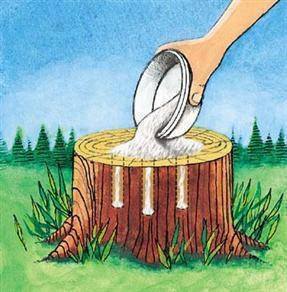
Tree Stump Removal – Get rid of tree stumps by drilling holes in the stump and filling them with 100% Epsom salt. Follow with water, and wait. Live stumps may take as long as a month to decay, and start to decompose all by themselves.
How to Use Wood-ash in the Garden
Ashes are an excellent source of potassium, but not as good a source of phosphorus. Wood ash contains calcium carbonate, potash, phosphate, iron, magnesium, zinc and copper, depending on the type of wood burnt and the degree of combustion.
Calcium carbonate in wood ash is extremely alkaline (a high pH), so ashes can be used as a highly effective liming agent to raise pH levels in acidic soils. Its effectiveness lies in its solubility in water. It can spread through soil instantaneously, having an immediate effect on the soils pH levels.
It is important to keep ashes dry. Potassium is easily washed out of the ash, rendering it useless unless it is in position, neatly arranged around the plant.
Soil can become too alkaline, which causes plants difficulty in absorbing certain nutrients. Use wood ash sparingly and never when seedlings are to be sown.
Plants that like wood ashes:
Asparagus
Juniper
California lilacs
Forsythia
Mock Oranges
Spirea
Hellebores
Clematis
Dianthus
Asian Persimmon
Lavender
Parsley
Okra
Wood ash is sprinkled onto the compost heap to raise the alkalinity, which the brandlings (red worms essential to any compost heap) need in order to thrive,
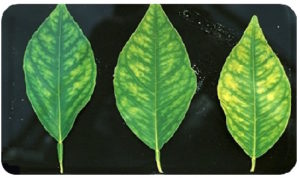
Spot a potash deficiency by yellowed and browning edges to leaves, as though they have been scorched, and the fruiting will suffer directly from this.
Comfrey is a good accumulator of potassium. It’s roots gather whatever is available from the soil and transfers it to the leaves. Harvest the leaves of a few comfrey plants and mulch around fruit and rose bushes.
Keep wood ashes away from acid loving plants such as;
The majority of annual garden veggies
Blueberries
Rhododendrons
Potatoes
Most plants like a slightly acidic soil.
Acidic soils with a pH less than 5.5 will likely be improved by wood ashes.
Other things you can do with wood ash:
Odor control
Shine silver
Melt Snow
De-skunk a dog
Control pond algae
Repel slugs and snails

Magnesium Boost for Plants Add 1 tsp epsom salt in 4 c warm water….spray on plant and then again 10 days later.Produces more fruit due to the boost of magnesium… especially for tomatoes, peppers and roses. Epsom Salts as a Fertilizer: For Lawns: Apply 1/2 pound per thousand square feet of lawn.Garden Plants and Shrubbery: Sprinkle 2 talbespoons around the base of each plant. As a Plant Food Supplement:Tomatoes and roses -1 teaspoon per foot of height every 2 weeks.Evergreens, azaleas, rhododendrons – 1 tablespoon per 9 sq. feet over the root zone every 4 months.Trees – 2 tablespoons per 9 sq. feet over root zone every 4 months Garden start-up – sprinkle1 cup per 100 sq. feet ( 10×10) and mix into the soil prior to planting.Houseplants – 1 teaspoon per gallon of water every 2 weeks. For best results water after applying. CRUSHED EGGSHELLS add calcium to the compost pile. They deter slugs, snails, and cutworms. Tomatoes, peppers, and eggplants love the calcium in eggshells. Blossom end rot can be caused by a calcium deficiency although it is usually caused by improper watering. Wash the inside of eggshells and let them dry. I put them in a plastic bag, crush them with my hand or hammer, and sprinkle in the garden.
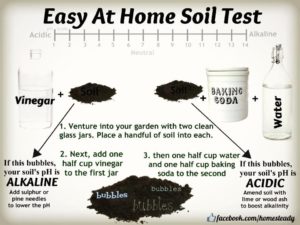
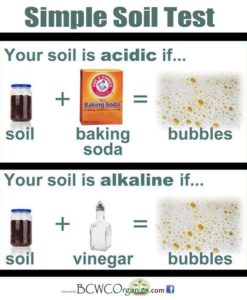
What is pH? On a scale of 0 to 14, pH is the measurement of the acidity of something—in this case, your soil. In a nutshell, the pH is the comparative measure of hydrogen and hydroxide ions present. At neutral pH 7, there are equal numbers of hydrogen and hydroxide ions. A soil pH measurement below 7 is acidic and contains more hydrogen ions. Soil pH above 7 is alkaline and contains more negatively charged hydroxide ions. The soil pH is an important number to know because it determines the availability of almost all essential plant nutrients. If the soil pH is not on track, plants will not have access to nutrients for growth and won’t perform at their best. Nutrients can get trapped in the soil and will not be released for plant use.
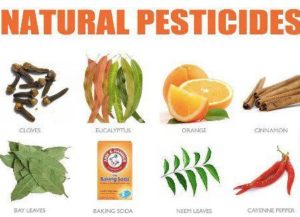
Insect Spray Certain insects won’t leave your plants alone with the limited organic pest sprays you find these days. This homemade pesticide will not harm your garden! It’s easy to make and super effective.
2 whole heads garlic, cloves separated and peeled
3 c. mint leaves and stems
2 tsp. dry cayenne pepper
2 small squirts of eco-friendly dishwashing liquid
Pulse garlic and mint in a food processor for several seconds. Transfer the garlic-mint mix to a pot of 12 cups water and add the cayenne. Bring to a boil, remove from heat, and let sit overnight. Strain into spray bottle or garden sprayer and add the two small squirts of dish soap, then shake to mix in.
Shake well before each use. On a cloudy day or in the early morning or late evening ( to not burn the plants) spray all the leaves on affected plants top and bottom. Wait a few days to see the affect and then apply more if needed. You may only need one application.
After spraying your plants just once you should start to notice the difference in your garden’s health. After about 4 weeks and 2 more applications of the spray (if needed) the plant will be looking good as new! This spray is safe for the entire garden.
RECIPE FOR SEED BOMBS
A GREAT GIFT FOR A GARDENER
4 parts natural clay
1 part seed starting mix or compost
1 part seeds
Paper for wrapping, string, and labels
Combine compost and seeds and knead until mixed and well distributed. Pinch off sections, roll into balls, place on a tray and let to dry. Place 5-6 in a bag and tie with string and label. Toss in a sunny spot before a rainy season. Sowing annual seeds in fall gives them a spring head start. Seed bombs protect the seeds through winter and increase chance of germination.


This is the rose at my side porch. My grandmother’s went over her garage and I fell in love with it as a child. It smells heavenly, some say like violets. I prune after it blooms. The largest rose in the world is a 100-year-old Lady Banks Rose in Tombstone, Arizona that covers more than 9,000 square feet! This climbing, semi-evergreen plant is considered a vine or bush, according to its uses which are diverse.

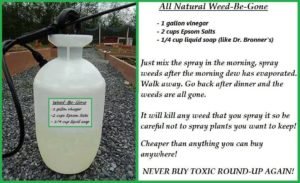
Weeds? Use Vinegar, Not Roundup Spray plants with inexpensive white vinegar. Use vinegar on gravel paths and brick walk-ways. It is a proven effective, eco-friendly answer to Roundup. Monsanto agreed with the New York Attorney General’s office to discontinue the use of the terms “biodegradable” and “environmentally friendly” in ads promoting Roundup. These terms were lies. Roundup is not biodegradable nor environmentally friendly. Vinegar is cheap and easy to use. How to Apply: use a watering can, a spray bottle or a pump-sprayer to apply vinegar. Rinse sprayer after use, or metal part can corrode. Make your application on a warm, sunny, calm day. Use vinegar on walkways where grass and ornamental plants are not an issue.
It keeps pathways free of unwanted growth. Another solution that works is salt water.
Plants that will take over your yard.
1. Bamboo
2. Chameleon plant (Houttuynia cordata)
3. Gooseneck loosestrife (Lysimachia clethroides)
4. Soapwort or “bouncing bet”
5. Japanese honeysuckle (Lonicera japonica)
6. Snow on the mountain
7. Balsam
8. Moon flower
9. Creeping jenny
10. Goldflame spirea
11. St. John’s wort
12. Lemon balm
13. Vinca, or periwinkle vine
14. Trumpet vine
15. Scotch broom
16. Wild violet
17. Virginia creeper
18. English ivy
19. Milkweed
20. Elephant ear
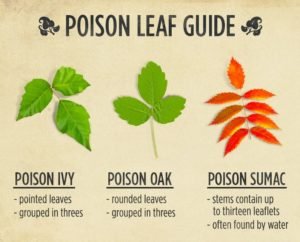
You can also add poison ivy, vetch, clover, chickweed, rabbit tobacco, dandelion, plaintain, and also the popcorn tree, tree of heaven, mimosa, crepe myrtle and wisteria.
Best flowers for seed bombs: for sunny areas, annual meadow flowers including poppies, cornflower, marigold; Californian poppies; cosmos; hollyhocks; nigella; verbena bonariensis; viper’s bugloss. For shady areas, use a woodland seed mix; foxgloves, tobacco plant, honesty.
Ingredients:Flower seed
Potter’s clay powder, from any craft shop
Peat-free compost
Water
A bowl
A baking tray
Mix the seed, clay, and compost together in a bowl to a ratio of three handfuls of clay, five handfuls of compost and one handful of seed. Then carefully add water slowly and gradually (you don’t want it too gloopy), mixing it all together until you get a consistency that you can form into truffle-sized balls. Lay them out to bake dry on a sunny windowsill for at least three hours.

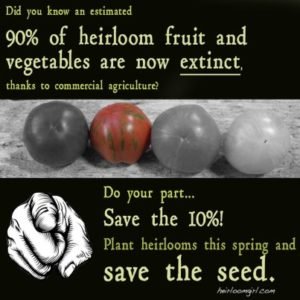
 HEIRLOOM SEED VAULT A wonder selection of heirloom seeds! My seed vault arrived in a coffee type can. completely sealed like a can of soup. The vault comes with a plastic lid as well for resealing once you have opened the vault for the first time. Inside there were 20 or so little opaque mylar bags that were labeled with the seed name, net weight, amount of seeds contained, germination percent, as well as instructions for planting, transplanting, and other suggested care. The mylar bags are resealable like ziplock bags so you can use a few and save the rest. My vault also came with a 6 page guide for saving seeds. This has proven to be invaluable for me! There is a section specifically for each type of seed included with your vault. all the veggies were wonderful and tasted soooo much better than store bought veggies… Thanks Dave for my nice gift.
CLICK HERE FOR HEIRLOOM SEED VAULT
CLICK HERE FOR LINK TO – Seeds of Death: Unveiling the Lies of GMOS


This is a quick and easy way to build a raised bed. If you want you could paint the outside and don’t forget to make the drainage holes! Would make a great child’s first garden! They would be so excited to have this!


 \
\


Good Garden Companions


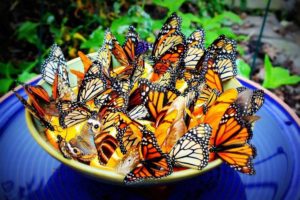
Oranges and Monarchs

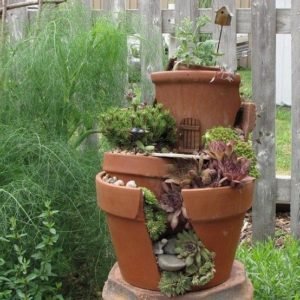
Tiered Garden for limited space.

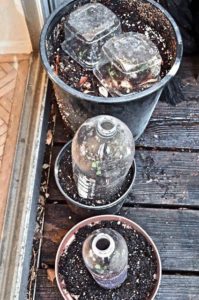
Little greenhouses








 Mistakes with Succulents







 HEIRLOOM SEED VAULT A wonder selection of heirloom seeds! My seed vault arrived in a coffee type can. completely sealed like a can of soup. The vault comes with a plastic lid as well for resealing once you have opened the vault for the first time. Inside there were 20 or so little opaque mylar bags that were labeled with the seed name, net weight, amount of seeds contained, germination percent, as well as instructions for planting, transplanting, and other suggested care. The mylar bags are resealable like ziplock bags so you can use a few and save the rest. My vault also came with a 6 page guide for saving seeds. This has proven to be invaluable for me! There is a section specifically for each type of seed included with your vault. all the veggies were wonderful and tasted soooo much better than store bought veggies… Thanks Dave for my nice gift.













 \
\