How Some Plants Grow
Black Pepper 
Brussels Sprouts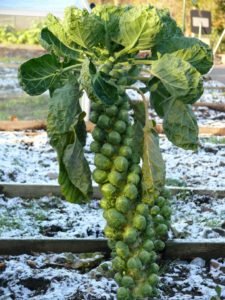
Cacao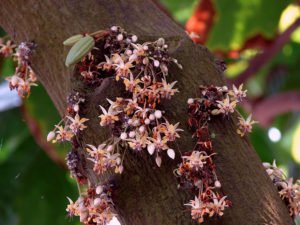

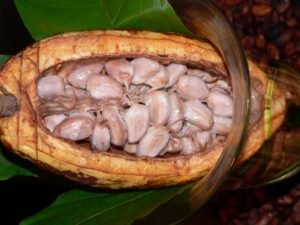 Capers
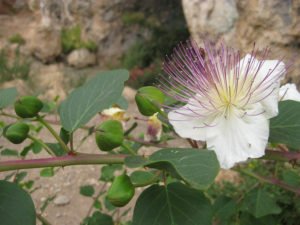

Cashew

Cinnamon

Chick Peas

Cloves

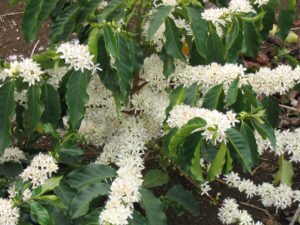
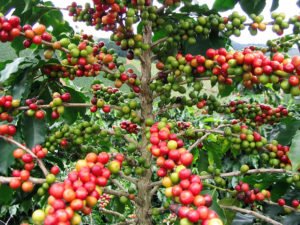
Coffee
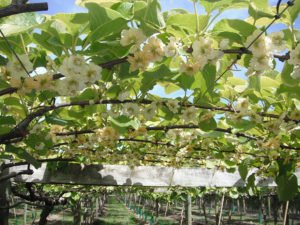
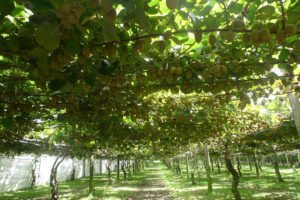
Kiwi
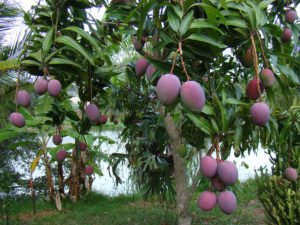
Mango
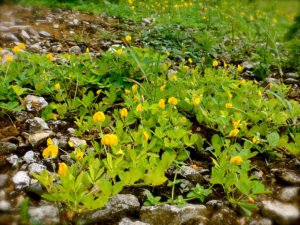
Peanut

Persimmon

Pistachios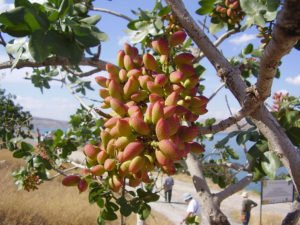
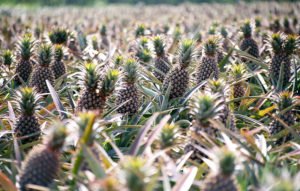
Pineapple
Pomegranate
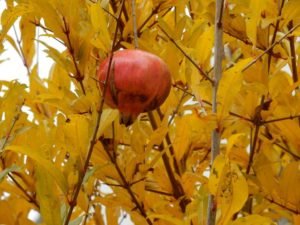
Saffron
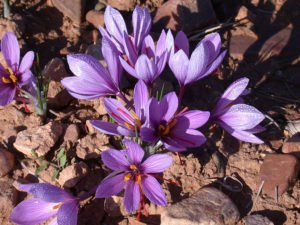

Sesame
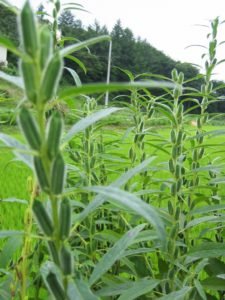

Starfruit
Tea
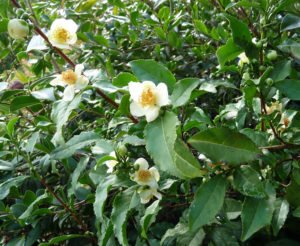
Vanilla
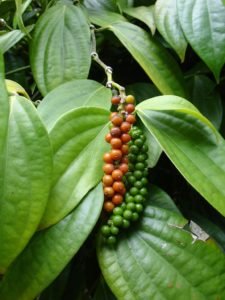
Black Pepper
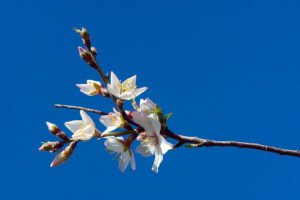
Almond


Black Pepper
Brussels Sprouts
Cacao
Capers
Cashew
Cinnamon
Chick Peas
Cloves
Coffee
Kiwi
Mango
Peanut
Persimmon
Pistachios
Pineapple
Pomegranate
Saffron
Sesame
Starfruit
Tea
Vanilla
Black Pepper
Almond
The History of Halloween and the Jack-O-Lantern
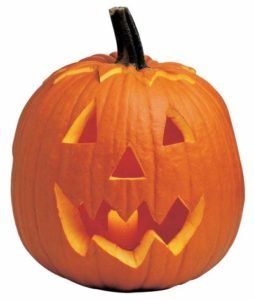
People have been making jack-o-lanterns at Halloween for centuries. The practice originated from an Irish myth about a man nicknamed “Stingy Jack.” According to the story, Stingy Jack invited the Devil to have a drink with him. True to his name, Stingy Jack didn’t want to pay for his drink, so he convinced the Devil to turn himself into a coin that Jack could use to buy their drinks. Once the Devil did so, Jack decided to keep the money and put it into his pocket next to a silver cross, which prevented the Devil from changing back into his original form. Jack eventually freed the Devil, under the condition that he would not bother Jack for one year and that, should Jack die, he would not claim his soul. The next year, Jack again tricked the Devil into climbing into a tree to pick a piece of fruit. While he was up in the tree, Jack carved a sign of the cross into the tree’s bark so that the Devil could not come down until the Devil promised Jack not to bother him for ten more years.
Soon after, Jack died. As the legend goes, God would not allow such an unsavory figure into heaven. The Devil, upset by the trick Jack had played on him and keeping his word not to claim his soul, would not allow Jack into hell. He sent Jack off into the dark night with only a burning coal to light his way. Jack put the coal into a carved out turnip and has been roaming the Earth with it ever since. The Irish began to refer to this ghostly figure as “Jack of the Lantern,” and then, simply “Jack O’ Lantern.”
In Ireland and Scotland, people began to make their own versions of Jack’s lanterns by carving scary faces into turnips or potatoes and placing them into windows or near doors to frighten away Stingy Jack and other wandering evil spirits. In England, large beets are used. Immigrants from these countries brought the Jack o’lantern tradition with them when they came to the United States. They soon found that pumpkins, a fruit native to America, make perfect Jack O’ lanterns.
HALLOWEEN is a night for dressing up, ghost stories, spooky parties, trick-or-treating and pumpkin carving. Most people don’t know that Halloween is actually based on an ancient Celtic holiday known as Samhain (pronounced “sow wan”), which means “summer’s end”.
It was the end of the Celtic year, starting at sundown on October 31st and going through to sundown November 1st. It was a night to honor loved ones that had passed on since the veil between their realm and ours is at it’s thinnest on that night. Celebrated for centuries by the Celts of old, Witches and many other nature based religions, it is the most magical night of the year. It is the Witches’ New Year, and the Last Harvest. Although the religious significance of it has passed for the general public, Halloween is a “magical” night for all!
On this magical night, glowing jack-o-lanterns, carved from turnips or gourds, were set on porches and in windows to welcome deceased loved ones, but also to act as protection against malevolent spirits. Burning lumps of coal were used inside as a source of light, later to be replaced by candles.
When European settlers, particularly the Irish, arrived in American they found the native pumpkin to be larger, easier to carve and seemed the perfect choice for jack-o-lanterns. Halloween didn’t catch on big in this country until the late 1800’s and has been celebrated in many ways ever since!
There is a strong connection in folklore and popular culture between pumpkins and the supernatural. Famous examples include the following:
A commonplace motif of people being turned into pumpkins by witches.
In Cinderella, the fairy godmother turns a pumpkin into a carriage, but it later reverts to a pumpkin.
Linus’ belief in the Great Pumpkin in Charles M. Schulz’s comic strip Peanuts.
Pumpkin juice has magical effects in the short story “Pumpkin Juice” by R. L. Stine.
In the Harry Potter novels pumpkin juice is a favorite drink of the students of Hogwart’s School of Witchcraft and Wizardry.
The pumpkin is hurled by the “Headless Horseman” in Washington Irving’s The Legend of Sleepy Hollow
Jack Pumpkinhead, a character in the Oz books of L. Frank Baum, has a pumpkin for a head on a wooden body that is brought to life in the second book.
In Tim Burton’s The Nightmare Before Christmas, the main character, Jack Skellington, is “the Pumpkin King.”
Precious Ramotswe, the fictional detective from Botswana in The No. 1 Ladies’ Detective Agency series of novels by Scottish author Alexander McCall Smith, often cooks and eats pumpkin.
In a short fiction by Nathaniel Hawthorne, Feathertop from 1852, a witch turns a scarecrow with a “pumpkinhead” into a man.
THE PUMPKIN
The name pumpkin originated from the Greek word for “large melon” which is “pepon. Pumpkins are native to North America and have been grown in America for over 5,000 years. Native Americans called pumpkins “isquotersquash.”
Pumpkins have a thick, orange or yellow shell that is creased from the stem to the bottom and contains the seeds and pulp. They are usually orange or yellow but some fruits are dark green, pale green, orange-yellow, white, red and gray. Pumpkins are a fruit! Pumpkins, like gourds and other squash are members of the Cucurbitacae family, which includes cucumbers, gherkins, and melons.
Pumpkins are monoecious, having both male and female flowers on the same plant. The small ovary at the base of the petals distinguishes the female flower. The flowers have extremely short life spans and may only open for one day.
Pumpkins are a warm-weather crop and are hardy. If many leaves and portions of the vine are removed or damaged, the plant can very quickly re-grow secondary vines to replace what was removed. The native squash bee has historically pollinated them, but this bee has declined (pesticide sensitivity) and today honeybees pollinate most commercial plantings. If there are inadequate bees for pollination, gardeners hand pollinate.
Pumpkins are grown for agricultural purposes (animal feed) and ornamental sales. Antarctica is the only continent unable to produce pumpkins. The biggest international producers of pumpkins are the United States, Mexico, India, and China. The traditional American pumpkin is the Connecticut Field variety. 1.5 billion pounds (680,000,000 kilograms) of pumpkins are produced each year in the U.S. The top pumpkin-producing states are Illinois, Indiana, Ohio, Pennsylvania, and California. According to the Illinois Department of Agriculture, 95% of the U.S. crop intended for processing is grown in Illinois. Nestlé produces 85% of the processed pumpkin in the U.S.
Farmers from all over the US compete to determine who can grow the heaviest pumpkin. Festivals are dedicated to the pumpkin and these competitions. The town of Half Moon Bay, California, holds an annual Art and Pumpkin Festival, drawing over 250,000 visitors each year and including the World Champion Pumpkin Weigh-Off. The winning pumpkin regularly tops the scale at more than 1500 pounds. In 1981 Howard Dill (of Nova Scotia) broke the record with a pumpkin near 500 pounds (226.80 kilograms). Dill patented the seeds used to grow this giant pumpkin, deeming them Dill’s Atlantic Giant seeds, and drawing growers from around the world. Dill is credited for all of the giant pumpkins today, most of which are borne from crossing and re-crossing his patented seed with other varieties. By 1994, the Giant pumpkin crossed the 1,000-pound (453.59-kilogram) mark. The current world record holder is Chris Stevens’s 1,810-pound Atlantic Giant pumpkin, which in October 2010 surpassed Christy Harp’s previous 2009 record of 1,725 pounds.
Pumpkin chucking is a competitive activity in which teams build various mechanical devices designed to throw a pumpkin as far as possible. Catapults, trebuchets, ballistas and air cannons are the most common mechanisms. Some pumpkin chuckers breed and grow special varieties of pumpkin under specialized conditions to improve the pumpkin’s chances of surviving a throw.
Native Americans dried strips of pumpkin and wove them into mats. They roasted long strips of pumpkin on the open fire and ate them. The origin of pumpkin pie occurred when the colonists sliced off the pumpkin top, removed the seeds, and filled the insides with milk, spices and honey. The pumpkin was then baked in hot ashes. Most parts of the pumpkin are edible, including the fleshy shell, the seeds, the leaves, and even the flowers. Pumpkins are very versatile in their uses for cooking. When ripe, the pumpkin can be boiled, baked, steamed, or roasted. Seeds are roasted and eaten as a snack.
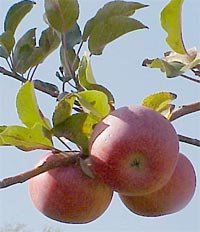
APPLES There are no apples native to America. Apples date back to the prehistoric times. The first apples were small walnut size crabapples growing in Asia and Europe. It is America’s oldest cultivated fruit. Julius Caesar liked plants and ordered his soldiers to plant many apple trees. They were the “Stamp of Rome” and a symbol of Roman occupation.
Apples come from trees and are a fruit because it has seeds. Apple trees are hardy and without a lot of care, they grow. France grows the most apples and America is second. Apple trees grow in almost every state but Florida. They don’t grow in tropical climates or the Arctic. They like cool climates with plenty of sunshine and abundant rainfall. They can grow to be 25 feet tall and there are lots of them today that are over 100 years old. Apple trees require cross-pollination. They are the hardiest of all fruits. If flower buds are open, a frost will kill the flowers and you will have no fruit. The apple tree will drop the apples that it cannot support.
William Blackstone arrived in Boston in 1623 with bibles and a bag of apple seeds. Apples fed horses and cows too. As America grew, so did apple trees! Pioneers drank a lot of cider, liquid pressed from apples because water was often contaminated from washing.
John Chapman better know as Johnny Appleseed was a peaceful man born in Massachusetts in 1774, 150 years after William Blakestone arrived in Boston and he was responsible for planting many apple trees. He planted the apple seeds he collected from cider milk and hiked the Ohio River Valley and sold trees to settlers for 6 ½ cents each.
One of my favorite apples is the granny smith. There really was a Granny Smith. About 100 years ago Margaret Smith from New South Whales, Australia brought home some apples from Tasmania. She threw the rotten one out in her garden and seedlings grew and people starting calling the apples Granny Smiths apples!
Apples can be grown in the home garden with little care. There are many varieties and sizes and colors. The trees are host to a variety of songbirds. Apples have a good storing power and were often the only fruit in winter. Apples were dried in the summer sun and stored in cotton bags. There are many uses for apples in pies, cakes, bread, applesauce, and for juice or cider (which is fermented apple juice.) Apples contain vitamin C, A, and potassium. The old saying is “An apple a day keeps the doctor away.” Apples orchards are sprayed with pesticides heavily 7 or 8 times a season. It is best to eat apples that are organically grown. Our bodies store pesticides. They are not eliminated from our body and are a health risk.
A long time ago if a fellow tossed an apple to a girl, he was asking her to marry him. If she caught it she accepted. If you peeled an apple without breaking the peeling, twirled it around your head 3 times and threw it over your shoulder onto the floor it would form the initial of your future spouse. If you break the peal it was bad luck. Sometimes children would play “snap apple” by tying an apple in the doorway by its stem and someone would try to bite the swinging apple. Sometimes they would put an apple in a bucket of water and have you bob for the apple. People even dried apples and made apple dolls!
Apple activities: A teacher might give each student an apple to eat and have them count the seeds in each after they finish. Do they have the same number of seeds? They could graft the results. They might compare different types of apples. Draw an apple tree. Make a felt board apple tree and turn it into a math lessons. If I pick 3 off the tree and you pick the other 7 then how many apples were there in all? If you gave me 4 how many would I have. Slice a couple of apples across, notice the star in the center that is made by the ovary and contains the seeds. Make apple prints on cards or wrapping paper for Christmas time. Tell stories and eat them! Talk about nutrition and about what happens to the apple when you eat it! Introduce the digestive system. Plant an apple tree! Sort laminated apples of different sizes/colors. Have students place different size apples in different baskets, make apple patterns or make sets of apples with matching numbers or letters for your students to match. Cut an apple in halves and fourths and use to teach fractions. Use the letters in the word apple to make other words such as, pal, lap, sap, ape, pea, sea, spa, slap, pals, apes, peas, apple, apples. Johnny Appleseed is remembered for his generosity to people and his respect for nature. Ask students to share ways they have shown generosity to others or respect to nature. Let students trace their hand on a sheet of paper and color it brown (the trunk of the tree and the fingers are branches.) Let them use green tempera paint and sponges to paint the leaves on the tree and use a Q-tip and red tempera paint to put the apples on the tree. Use apples and compare it to the layers of the earth. The middle core of the apple is the core of the earth. The outer core is the mantle, which is the part we eat. The peel is like the outer layer or crust. “How about them apples!”

1. White Jasmine enhances sleep, reduces anxiety, and smells heavenly.

2. English Ivy soaks up toxins in the air and puts out more oxygen at night.
It is the best for improving the quality of air and reduces air born mold by 94%.
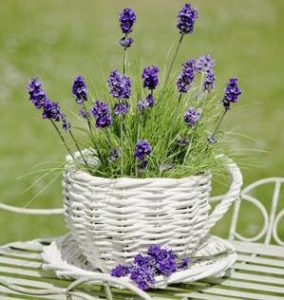
3. Lavender reduces anxiety and stress and slows the heart rate down.
You can use the essential oil or put a plant in the room.

4. Aloe puts out a ton of oxygen at night.

5.Snake plants put out a lot of oxygen at night and improve the air quality.