Skin and the Sense of Touch







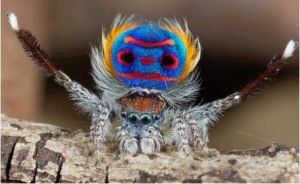
THE LEGEND OF THE CHRISTMAS SPIDER
A folk legend from Germany and the Ukraine
Once upon a time long ago, a mother was busily cleaning the house getting ready for Christmas. Not a speck of dust was left. Even the spiders were banished from their cozy corners in the ceiling and finally fled to the attic.
T’was Christmas Eve at last! The tree was all decorated for the children to see it. The poor spiders were frantic because they could not see the tree or be present for the celebration.
The oldest and wisest spider suggested that they could peep through the crack in the door. Silently they crept out of the attic, down the stairs, and across the floor to wait at the threshold. Suddenly the door opened a wee bit and quickly the spiders scurried into the room. They wanted to see the tree closely, since their eyes were not accustomed to the brightness of the room. They crept all over the tree, up and down, over every branch and twig and saw every pretty thing. At last they satisfied themselves completely of the Christmas tree beauty.
But Alas!! Everywhere they went they had left their webs and when the little Christ child came to bless the house he was dismayed. He loved the little spiders, for they were God’s creatures too, but he knew the mother, who had trimmed the tree for the little children, wouldn’t feel the same, so He touched the webs and they all turned to shimmering silver and gold! Ever since that time, we have hung tinsel on Christmas trees, and according to the legend, it has been a custom to include a spider among the decorations on the tree.
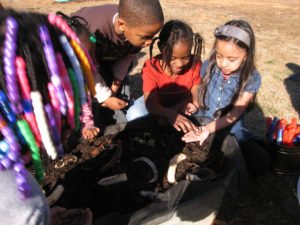
Examine worms with children. Worms are important to compost soil.
Worms have 5 hearts, a brain with two tiny lobes and a long spinal chord. It is divided into segments, has no bones but moves using muscles and very tiny hairs that are on each segment. They breath through their skin and it needs to stay moist for them stay alive. A worm has no arms, legs or eyes.
Though worms don’t have eyes, they can sense light, especially at their anterior (front end). They move away from light and become paralyzed if exposed to light for too long (approximately one hour). If a worm’s skin dries out, it will die.There are approximately 2,700 different kinds of earthworms.
Worms live where there is food, moisture, oxygen and a favorable temperature. In one acre of land, there can be more than a million earthworms. The largest earthworm ever found was in South Africa and measured 22 feet from its nose to the tip of its tail.
Worms tunnel deeply in the soil and bring subsoil closer to the surface mixing it with the topsoil. Slime, a secretion of earthworms, contains nitrogen. Nitrogen is an important nutrient for plants.
Worms are cold-blooded animals and have the ability to replace or replicate lost segments. This ability varies greatly depending on the species of worm you have, the amount of damage to the worm and where it is cut. It may be easy for a worm to replace a lost tail, but may be very difficult or impossible to replace a lost head if things are not just right.
Baby worms are not born. They hatch from cocoons smaller than a grain of rice. Worms are hermaphrodites. Each worm has both male and female organs.
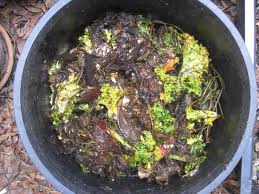
Worm Bucket
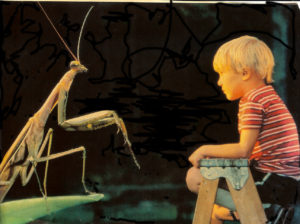
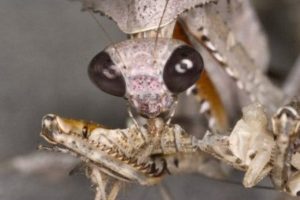
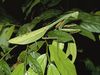
This is a mantid. Recently I captured a mantid in my garden and put it in the terrarium in the classroom for the children to watch. You must feed them bugs and they are voracious eaters. We caught some grasshoppers today and the mantis loves ants. We put a sponge soaked in water in the tank or you may give it a spray of water on the glass. I will return home to my garden soon.
Two or more of these insects are called mantids. They are close relatives of cockroaches and stick insects. An adult mantis can get 13 cm long – about 12 inches. They have a head shaped like a triangle and a long “neck”, the thorax. They are the only insect that can turn its head 180 degrees from side to side without moving the body. The forelegs have sharp spines on them for catching prey and they always bite the neck first. Mantids keeps the forelegs folded and held together as if praying.
Mantids are usuall green or brown and easily camouflaged on leaves and stems. One kind of mantis is pink. They have wings but are very poor at flying and walking.They like to sit and wait for their prey.When prey comes close, they are very fast with their forelegs to catch it. The reflex of their forelegs is so fast it is difficult for our eyes to see them grab a meal. Mantids are voracious eaters and are carnivores only eat animals such as bees, beetles, moths, butterflies, aphids, crickets, flies, and other insects. They are cannabalistic and will eat other mantids or their mate. The female is famous for biting the head off of the male after mating. Large adult mantids may even eat small birds, frogs or lizards. They are solitaary hunters with biting and chewing mouth parts.
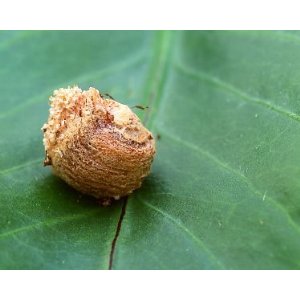
Mantids molt or shed their exoskeleton to grow larger. They have 2 large sensitive compound eyes that can tell if something moves 60 feet away.with 3 simple eyes between them. The mother mantid lays several hundred eggs in an egg case made from a frothy secretion that hardens to protect the eggs. The egg case can withstand severe winter weather and hatches after about 8 weeks of warm weather. A mantis may lay several egg cases usually attached to twigs, leaves, or fences.. The egg case will hatch the following spring and about 200 tiny nymphs that look very much like adults will crawl from betwween tiny flaps in the egg case and hang from silken threads to dry out. The egg case does not change appearance in any way.
Mantids are harmless to humans and they can become tame enough to eat insects from your fingers. The praying mantis is considered diurnal meaning they are most active in the day time, but sometimes you can see them flying around at night. Their average life span is 1 year.
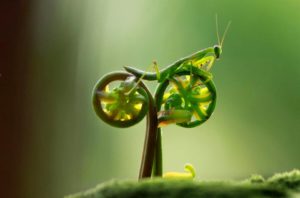
THE ORCHID MANTIS!

FLOWER MANTIS